

Breast surgery remains one of the most transformative aesthetic procedures in modern plastic surgery. According to the American Society of Plastic Surgeons, breast augmentation continues to be the most popular cosmetic procedure for women under 30, highlighting the enduring demand for safe, high-quality surgical care. At Careaga Plastic Surgery, we understand that choosing breast surgery is a deeply personal decision that requires expert guidance, advanced technology, and a commitment to natural-looking results. This guide explores the full spectrum of breast procedures, from augmentation to revision, helping you make an informed choice for your aesthetic goals.
Understanding Breast Augmentation Options
Breast augmentation, or mammaplasty, is designed to enhance the size, shape, and fullness of the breasts. This procedure is highly customizable, allowing patients to achieve their desired aesthetic through various implant types and placement techniques. The primary decision involves choosing between saline and silicone gel implants. Silicone implants are generally preferred for their natural feel and appearance, closely mimicking the texture of natural breast tissue.
The placement of the implant is equally critical. Surgeons typically choose between subglandular (over the muscle) or submuscular (under the muscle) placement. Submuscular placement is often recommended for patients with less natural breast tissue, as it provides better coverage and reduces the risk of visible rippling. At Careaga Plastic Surgery, Dr. Daniel Careaga and Dr. Rafael Ramos Vecchio evaluate each patient's anatomy to determine the optimal placement strategy for long-term satisfaction and safety.
Implant Shapes and Textures
Modern implants come in various shapes, including round and anatomical (teardrop) forms. Round implants tend to provide more upper pole fullness, while anatomical implants are designed to follow the natural slope of the breast. The surface texture of the implant, whether smooth or textured, also plays a role in how the implant interacts with the surrounding tissue and capsule formation.
The Role of Preservé by Motiva® Implants
Innovation in breast implant technology has led to the development of advanced devices like Preservé by Motiva® implants. These implants are engineered with a unique surface technology that aims to reduce the risk of capsular contracture, a common complication where scar tissue forms tightly around the implant. The smooth surface of Motiva implants is designed to encourage natural tissue integration, resulting in a softer, more natural feel.
Research indicates that the specific surface characteristics of modern implants can significantly impact patient outcomes. According to clinical studies, the use of advanced implant technologies can lower the incidence of capsular contracture compared to older generation devices. Patients seeking the highest standard of safety and aesthetic quality often choose Preservé by Motiva® implants for their augmentation procedures.
Breast Lift (Mastopexy) and Rejuvenation
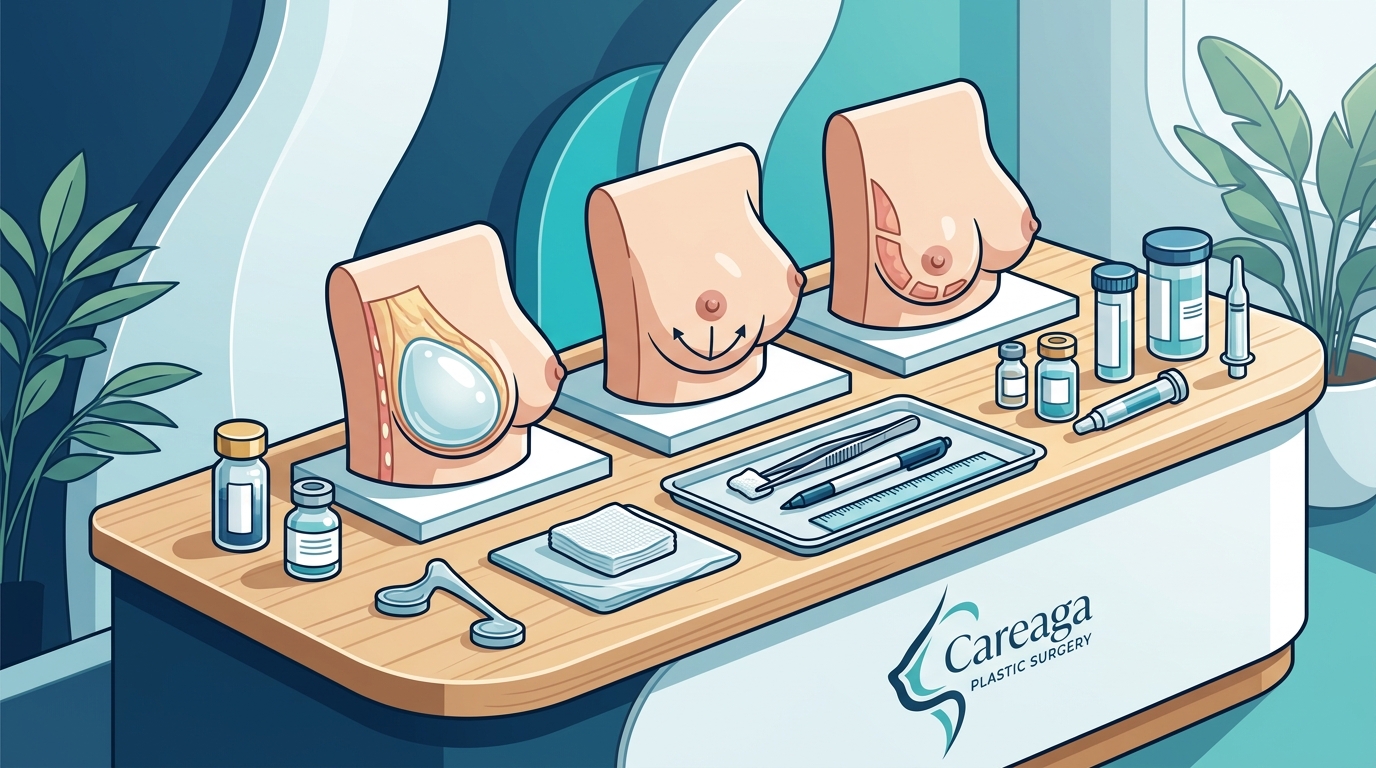
A breast lift, or mastopexy, addresses sagging and loss of elasticity in the breast tissue. This procedure is often sought by women who have experienced significant weight loss, pregnancy, or aging. During a mastopexy, the surgeon removes excess skin and tightens the surrounding tissue to reshape and support the new breast contour. The nipple and areola may also be repositioned to a more youthful height.
Combining a breast lift with augmentation is a common approach for patients who desire both increased volume and improved shape. This combination procedure, often referred to as an augmented mastopexy, allows for comprehensive rejuvenation in a single surgical session. For more information on lifting techniques, visit our breast procedures overview.
Scarring and Recovery
While scarring is an inevitable part of any surgical procedure, modern techniques minimize visible marks. Incisions are typically placed in natural creases or around the areola. Over time, these scars fade significantly. Recovery involves wearing a supportive bra and avoiding strenuous activity for several weeks to ensure proper healing.
Breast Reduction for Physical Relief
Breast reduction, or mammaplasty, is not just an aesthetic procedure but a functional one for many patients. Enlarged breasts can cause chronic back, neck, and shoulder pain, as well as skin irritation and posture issues. Breast reduction surgery removes excess breast tissue and fat to reduce the size and weight of the breasts.
Patients often report significant improvements in quality of life after undergoing reduction surgery. The ability to participate in physical activities without discomfort and the relief from chronic pain are major benefits. Dr. Careaga and Dr. Ramos specialize in techniques that preserve nipple sensation and breastfeeding capability while achieving a proportional breast size. Learn more about breast reduction options available in Miami.
Breast Implant Removal and Revision
Breast implant removal, or explantation, is a procedure performed to remove existing implants. Patients may choose explantation for various reasons, including concerns about implant longevity, changes in aesthetic preference, or medical complications such as capsular contracture or breast implant illness (BII). In some cases, patients opt for a breast lift after removal to address skin laxity.
Revision surgery is another common need, often required to correct complications from previous surgeries or to update the aesthetic appearance of the breasts. This can involve replacing old implants, correcting asymmetry, or addressing capsular contracture. For detailed insights into explantation, review our guide on breast implant removal in Miami.
Capsular Contracture Management
Capsular contracture occurs when the scar tissue around the implant tightens and squeezes the implant, causing the breast to feel firm or look distorted. In severe cases, it can be painful. Treatment options include medication, massage, or surgical intervention to remove or release the scar tissue. At Careaga Plastic Surgery, we utilize advanced techniques to minimize the recurrence of this condition.
Fat Transfer Breast Augmentation
Fat transfer breast augmentation, also known as autologous fat grafting, is a minimally invasive alternative to implant surgery. This procedure involves liposuction to harvest fat from another area of the body, such as the abdomen or thighs. The fat is then purified and injected into the breasts to enhance volume and shape.
This method offers the dual benefit of body contouring and breast enhancement. Patients appreciate the natural feel of the results and the absence of foreign implants. However, fat transfer typically provides a more modest increase in size compared to implants and may require multiple sessions for optimal results. Discuss the viability of fat transfer augmentation during your consultation.
Choosing the Right Surgeon in Miami
Selecting a qualified plastic surgeon is the most critical step in your breast surgery journey. Miami is home to many practitioners, but not all possess the specialized training and experience required for complex breast procedures. Board certification by the American Board of Plastic Surgery is a non-negotiable standard for safety and expertise.
Dr. Daniel Careaga and Dr. Rafael Ramos Vecchio are double board-certified plastic surgeons with extensive experience in breast aesthetics. Their combined expertise ensures that patients receive comprehensive care tailored to their unique anatomical needs. With over 15,000 successful surgeries performed, Careaga Plastic Surgery has established itself as a leader in South Florida.
Consultation Process
A thorough consultation involves a detailed medical history review, physical examination, and discussion of aesthetic goals. Your surgeon will recommend the most appropriate procedure and implant type based on your body type and desired outcome. Transparency about risks, benefits, and recovery expectations is essential for informed consent.
Key Takeaways
- Breast augmentation remains the most popular cosmetic procedure for women under 30, according to recent industry data.
- Preservé by Motiva® implants utilize advanced surface technology to reduce the risk of capsular contracture.
- Breast reduction surgery can significantly alleviate chronic back and neck pain associated with macromastia.
- Dr. Daniel Careaga and Dr. Rafael Ramos Vecchio are double board-certified plastic surgeons specializing in breast aesthetics.
- Careaga Plastic Surgery has performed over 15,000 successful plastic surgeries, establishing a strong track record in Miami.
- Fat transfer breast augmentation offers a natural alternative to implants for patients seeking modest volume enhancement.
- Choosing a board-certified surgeon in a reputable facility is crucial for minimizing surgical risks and ensuring optimal outcomes.
Frequently Asked Questions
What is the difference between saline and silicone implants?
Silicone implants are filled with a cohesive silicone gel that closely mimics the feel of natural breast tissue. Saline implants are filled with sterile salt water and are inserted empty, then filled once in place. Silicone implants are generally preferred for their natural look and feel.
How long do breast implants last?
Breast implants are not considered lifetime devices. While many implants last 10 to 20 years or longer, patients may require replacement or removal due to natural aging, weight changes, or complications like capsular contracture. Regular monitoring is recommended.
What is capsular contracture?
Capsular contracture is a complication where the scar tissue that naturally forms around a breast implant tightens and squeezes the implant. This can cause the breast to feel firm, look distorted, or become painful. It is graded on a scale from I to IV based on severity.
Can I breastfeed after breast augmentation?
Many women are able to breastfeed after augmentation, especially if the incision is made around the areola or in the inframammary fold. However, the ability to breastfeed can vary depending on the surgical technique and individual anatomy. Discuss this concern with your surgeon during your consultation.
What is the recovery time for a breast lift?
Recovery from a breast lift typically involves 1 to 2 weeks of limited activity, with full recovery taking several months. Patients are advised to wear a supportive bra and avoid heavy lifting for at least 4 to 6 weeks to ensure proper healing.
Is breast implant removal painful?
Explantation is performed under anesthesia, so patients do not feel pain during the procedure. Post-operative discomfort is managed with medication and usually subsides within a few weeks. Many patients report relief from previous symptoms after removal.
What is fat transfer breast augmentation?
Fat transfer breast augmentation involves harvesting fat from another part of the body via liposuction, purifying it, and injecting it into the breasts. This method provides a natural enhancement without the use of implants, though the volume increase is typically more modest.
Ready to Transform Your Confidence?
Choosing to undergo breast surgery is a significant step toward achieving your aesthetic goals. At Careaga Plastic Surgery, we are dedicated to providing safe, effective, and personalized care. Our board-certified surgeons, Dr. Daniel Careaga and Dr. Rafael Ramos Vecchio, bring decades of combined experience to every procedure.
Take the first step toward a more confident you. Schedule a consultation today to discuss your options and learn how we can help you achieve your desired results.