Preparing for a Brazilian Butt Lift (BBL) is a multifaceted process that extends far beyond the surgical date itself. In Miami, a global hub for aesthetic enhancement, the demand for fat transfer procedures is immense. According to the American Society of Plastic Surgeons, fat grafting procedures have seen consistent growth over the last decade, reflecting a shift toward natural-looking body contouring. This guide outlines the critical steps to ensure your safety, optimize your results, and facilitate a smooth recovery at a top-tier facility like Careaga Plastic Surgery.
Choosing the Right Surgeon in Miami
The success of a Brazilian Butt Lift depends heavily on the surgeon's technical expertise and safety protocols. Miami is home to many practitioners, but not all are equally qualified to perform this complex procedure. A BBL involves liposuction to harvest fat from areas like the abdomen or flanks, followed by careful purification and injection into the gluteal muscles or subcutaneous tissue. This process requires precise anatomical knowledge to avoid serious complications.
When evaluating potential surgeons, prioritize board certification. Board-certified plastic surgeons have undergone rigorous training and adhere to strict safety standards. At Careaga Plastic Surgery, our team includes double board-certified surgeons like Dr. Daniel Careaga and Dr. Rafael Ramos, who specialize in body contouring and aesthetic precision. Their combined experience ensures that patients receive personalized care tailored to their unique body geometry.
Review before-and-after galleries to assess the surgeon's aesthetic style. Look for natural-looking results that respect the patient's proportions. Avoid clinics that prioritize high-volume surgery over individualized care. High-volume centers may rush consultations and compromise on safety protocols, which is particularly dangerous for BBL procedures where precision is paramount.
Medical Clearance and Health Assessments
Before undergoing any elective surgery, obtaining medical clearance is a non-negotiable step. This process ensures that your body is prepared to handle the stresses of anesthesia and surgery. Your surgeon will likely request blood work, an electrocardiogram (ECG), and a physical examination to evaluate your overall health.
Conditions such as diabetes, hypertension, or bleeding disorders must be well-managed before surgery. If you have a history of blood clots, disclose this immediately, as it significantly impacts surgical planning. The goal is to minimize risks and ensure that your body can heal efficiently. During your consultation at Careaga Plastic Surgery, our team will conduct a thorough assessment to determine your eligibility and discuss any necessary pre-operative adjustments.
Additionally, maintaining a stable weight is crucial. Significant weight fluctuations after surgery can alter the results of your fat transfer. If you are currently dieting or exercising intensely, discuss a timeline with your surgeon to ensure your weight is stable for at least three months prior to the procedure.
Lifestyle Adjustments Before Surgery
Optimizing your lifestyle in the weeks leading up to your BBL can significantly impact your recovery and final results. These adjustments are designed to reduce surgical risks and promote faster healing.
Nicotine Cessation
Nicotine is a vasoconstrictor, meaning it narrows blood vessels and reduces blood flow to tissues. This is particularly dangerous for BBL patients, as adequate blood supply is essential for the survival of the transferred fat cells. Smoking or using nicotine products can lead to poor wound healing, tissue necrosis, and increased scarring. Most board-certified surgeons require patients to stop all nicotine use at least four to six weeks before and after surgery. This includes cigarettes, vaping, and nicotine replacement therapies.
Alcohol and Hydration
Alcohol can interfere with anesthesia and increase the risk of bleeding. It is recommended to avoid alcohol for at least two weeks before surgery. Conversely, hydration is critical. Drinking plenty of water helps flush toxins from your system and keeps your skin elastic, which aids in recovery. Start increasing your water intake several weeks before your procedure.
Dietary Optimization
A nutrient-rich diet supports the immune system and tissue repair. Focus on lean proteins, healthy fats, and vitamins C and E. These nutrients are essential for collagen production and wound healing. Avoid excessive salt intake, which can cause fluid retention and swelling during the pre-operative period.
Medication and Supplement Management
Certain medications and supplements can increase the risk of bleeding or interact with anesthesia. It is vital to disclose all substances you are taking to your surgeon. Typically, patients are advised to stop the following two weeks before surgery:
- Non-Steroidal Anti-Inflammatory Drugs (NSAIDs): Medications like ibuprofen, aspirin, and naproxen can thin the blood and increase bleeding during surgery.
- Herbal Supplements: Supplements such as garlic, ginkgo biloba, ginseng, and vitamin E can also have blood-thinning effects.
- Prescription Blood Thinners: If you are on anticoagulants, consult with your primary care physician and surgeon to determine if they should be paused or adjusted.
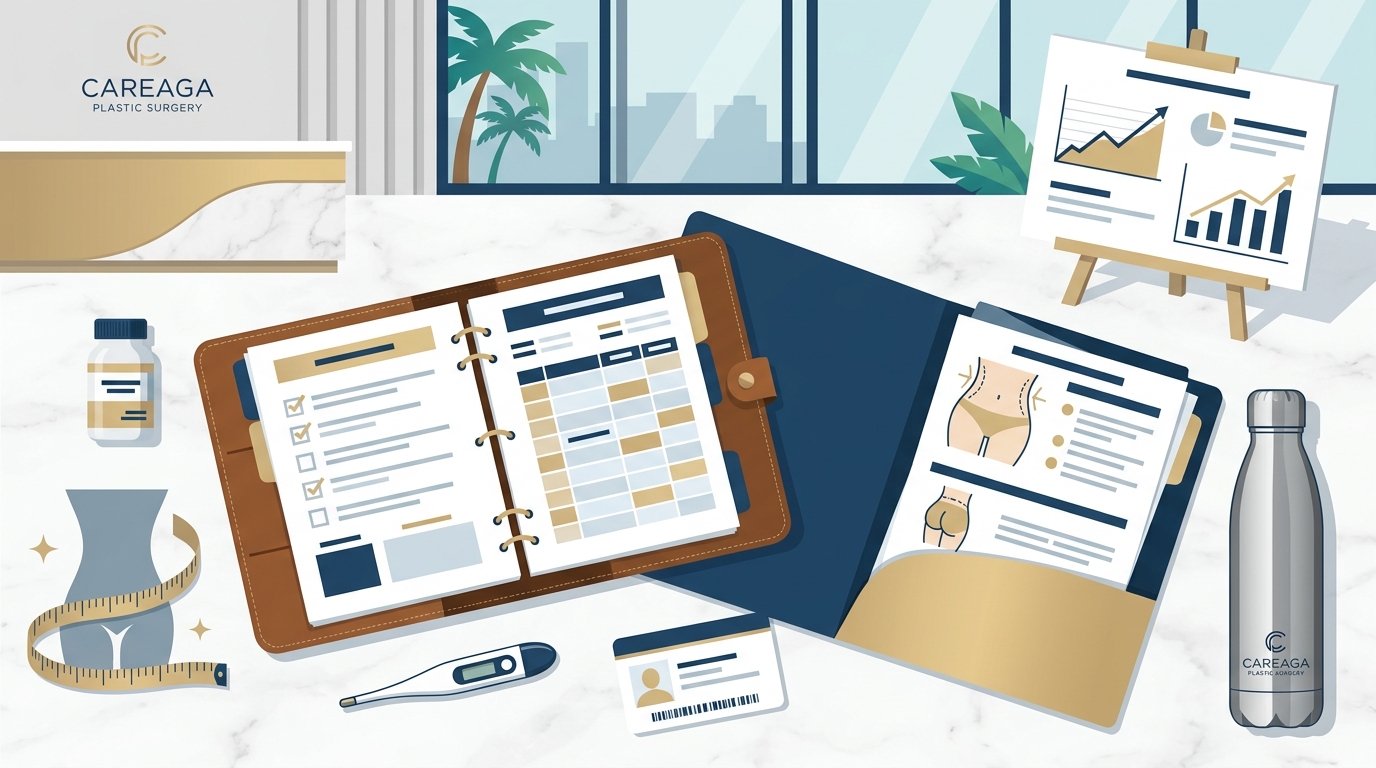
Never stop prescription medications without explicit medical guidance. Your surgeon will provide a detailed list of what to avoid and what is safe to continue. At Careaga Plastic Surgery, we provide a comprehensive pre-operative packet that outlines these requirements clearly.
Post-Operative Logistics and Recovery Setup
Recovery from a BBL requires specific preparations to protect the transferred fat. The most critical aspect of post-operative care is avoiding pressure on the buttocks. This is because pressure can disrupt the blood supply to the newly transferred fat cells, leading to fat resorption and uneven results.
The BBL Pillow
You will need a specialized BBL pillow or donut cushion. This device allows you to sit by distributing weight onto your thighs and knees rather than your buttocks. Most surgeons recommend using this pillow for at least six weeks after surgery. Ensure you have this cushion ready before your procedure day.
Compression Garments
Compression garments are worn after liposuction to reduce swelling and help the skin retract to its new contour. Your surgeon will provide specific garments tailored to your body. These must be worn consistently as directed, usually for several weeks post-surgery.
Home Care Setup
Prepare your home for recovery by setting up a comfortable resting area with pillows to support proper positioning. Arrange for a trusted friend or family member to drive you home after surgery and assist you for the first few days. You will not be able to drive while taking prescription pain medication or while wearing compression garments that restrict movement.
Surgical vs. Non-Surgical Fat Transfer Options
While the Brazilian Butt Lift is the gold standard for gluteal enhancement, it is important to understand how it compares to non-surgical alternatives. The table below outlines the key differences.
| Feature | Brazilian Butt Lift (Surgical) | Non-Surgical Fillers |
|---|---|---|
| Procedure Type | Liposuction and fat grafting | Injectable fillers (e.g., Sculptra, Radiesse) |
| Durability | Long-lasting (permanent for surviving fat) | Temporary (12-24 months) |
| Recovery Time | 2-4 weeks for initial recovery | Minimal to no downtime |
| Risk Profile | Surgical risks (anesthesia, infection) | Injection risks (nodules, asymmetry) |
| Cost | Higher upfront cost | Lower upfront, recurring costs |
For patients seeking significant volume enhancement and body contouring, the BBL remains the most effective option. Non-surgical fillers are better suited for minor adjustments or patients who cannot undergo surgery. Discuss your goals with your surgeon to determine the best approach for your body.
Key Takeaways
- Surgeon Selection: Choose a board-certified plastic surgeon with specific expertise in BBL safety protocols.
- Nicotine Cessation: Stop all nicotine use at least four to six weeks before surgery to ensure proper healing.
- Medication Management: Avoid blood-thinning medications and supplements two weeks prior to your procedure.
- Recovery Equipment: Purchase a BBL pillow and compression garments before your surgery date.
- Weight Stability: Maintain a stable weight for at least three months before surgery to optimize results.
- Support System: Arrange for post-operative assistance and transportation for the first week.
- Hydration and Diet: Focus on protein-rich foods and adequate hydration to support tissue repair.
Frequently Asked Questions
How long before surgery should I stop taking aspirin?
You should typically stop taking aspirin and other NSAIDs at least two weeks before your Brazilian Butt Lift to reduce the risk of bleeding. Always consult your surgeon for specific instructions based on your medical history.
Do I need to lose weight before getting a BBL?
While you do not need to be at your ideal weight, having a stable weight is crucial. If you have excess fat in areas like the abdomen or flanks, liposuction can harvest this fat for transfer. However, significant weight loss after surgery can alter your results.
What is the ideal BMI for a Brazilian Butt Lift?
There is no strict BMI cutoff, but patients generally need to have enough donor fat for the procedure. Surgeons evaluate body composition rather than just BMI. At Careaga Plastic Surgery, we assess each patient individually to determine feasibility.
How long do I need to avoid sitting after BBL surgery?
You must avoid sitting directly on your buttocks for at least six weeks. You can sit on a BBL pillow or lie on your stomach or side. This is critical to ensure the survival of the transferred fat cells.
Is the Brazilian Butt Lift safe in Miami?
Yes, when performed by a board-certified plastic surgeon in an accredited surgical facility. Safety depends on the surgeon's technique, particularly regarding where the fat is injected. Avoiding the gluteal muscles and injecting into the subcutaneous layer is a key safety protocol.
What should I pack for my surgery day?
Pack loose, comfortable clothing that does not require pulling over your head. Bring your ID, insurance information, and any required medical forms. Leave jewelry and valuables at home.
Can I exercise before my BBL surgery?
Light exercise is generally encouraged to maintain cardiovascular health, but avoid intense workouts that could cause dehydration or muscle strain in the days leading up to surgery. Consult your surgeon for a specific pre-op exercise plan.
Schedule Your Consultation
Preparing for your Brazilian Butt Lift is the first step toward achieving your aesthetic goals. By following these guidelines and working with a trusted team, you can ensure a safe and successful outcome. At Careaga Plastic Surgery, we are dedicated to providing personalized care and exceptional results. Contact us today to schedule your consultation and begin your journey.