
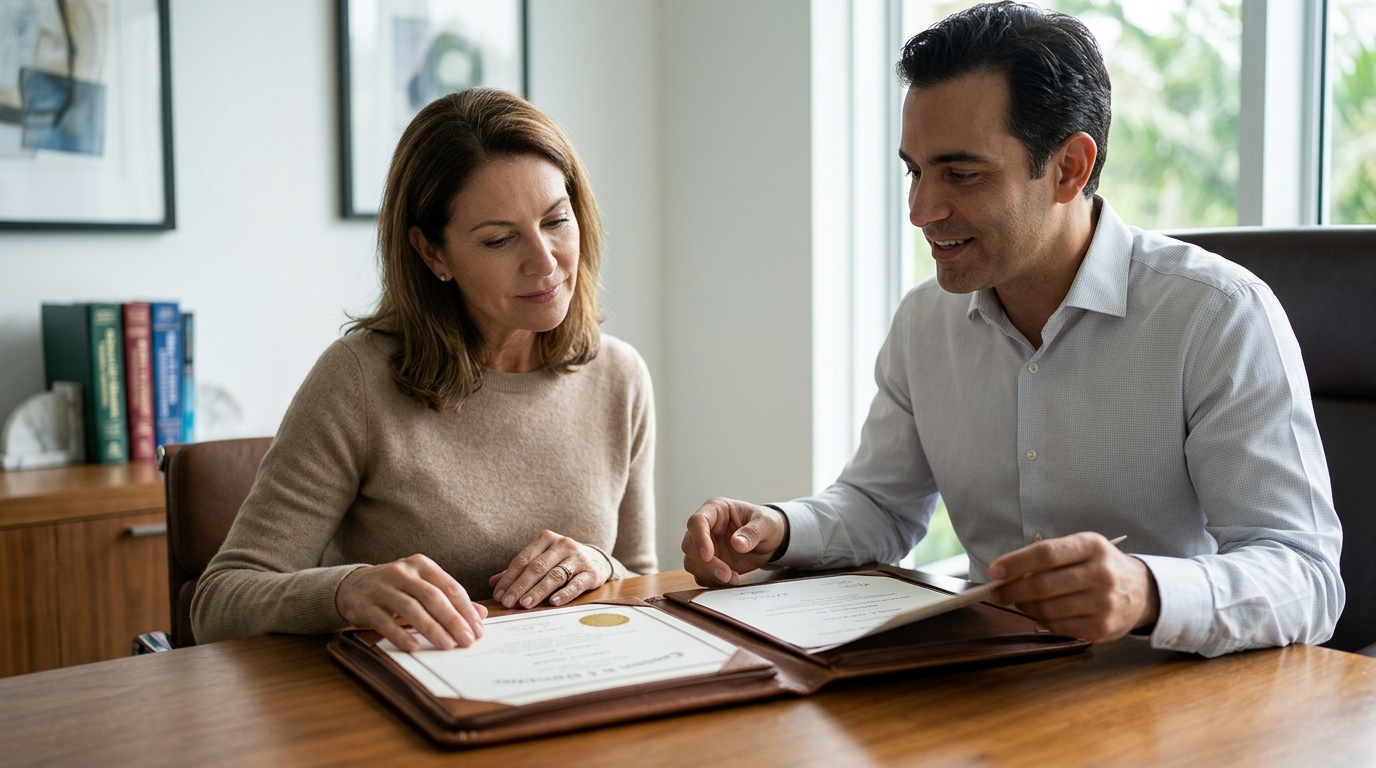
Before booking a tummy tuck consultation, verify that your surgeon holds active board certification from the American Board of Plastic Surgery (ABPS) and that the surgical facility is accredited by a recognized body like JCAHO. These two credentials are the non-negotiable baseline for safety. At Careaga Plastic Surgery, we prioritize transparency so patients can confirm these standards before their first visit.
The Difference Between Board Certification and Board Eligibility
Many patients confuse board eligibility with board certification. Board eligibility means a surgeon has completed the required training but has not yet passed the rigorous examination process. Board certification is the formal recognition that a surgeon has completed accredited training, passed written and oral exams, and maintains ongoing education. The American Board of Plastic Surgery (ABPS) is the only board recognized by the American Board of Medical Specialties (ABMS) for plastic surgery. Verifying this status ensures the surgeon has met the highest national standards for aesthetic and reconstructive surgery.
Why Surgical Facility Accreditation Matters
The location where your surgery takes place is as critical as the surgeon performing it. A surgical facility accreditation is a third-party verification that a clinic meets strict standards for safety, infection control, and emergency preparedness. In the United States, the Joint Commission (formerly JCAHO) is a leading accrediting body. When you book a consultation, ask specifically if the operating suite is accredited. At Careaga Plastic Surgery, our facility holds JCAHO Gold Seal accreditation, ensuring that every procedure, including tummy tucks, is performed in an environment designed to minimize risk.
Confirming Plastic Surgery Specialty Focus
Not all surgeons who perform tummy tucks are plastic surgeons. General surgeons, dermatologists, and other specialists may offer body contouring, but their training focus differs. A plastic surgeon is a physician who has completed a dedicated residency in plastic surgery, focusing on the aesthetic and functional restoration of the body. When verifying credentials, check the surgeon's primary specialty. Dr. Daniel Careaga, the founder of our practice, is double board-certified, providing a depth of training that is rare and highly valuable for complex body contouring cases.
How to Verify Credentials Online
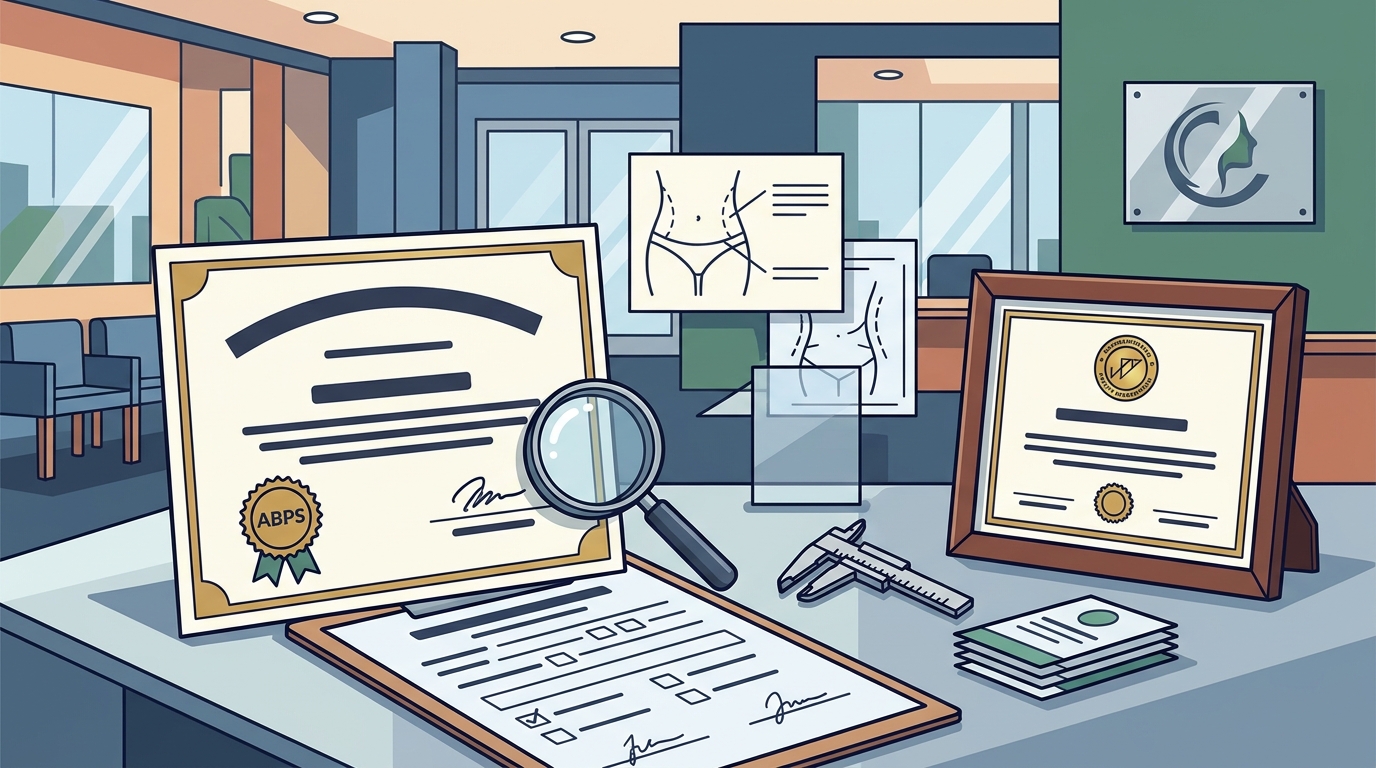
You can verify a surgeon's board certification directly through the ABPS website. The ABPS maintains a public directory where you can search for certified surgeons by name or location. This tool allows you to confirm the status of their certification, including whether it is active, expired, or restricted. Additionally, you can check the facility's accreditation status through the Joint Commission's website. These independent verification tools remove the need to take a surgeon's word for their qualifications. Taking five minutes to check these databases is one of the most effective steps you can take to protect your safety.
Questions to Ask During Your Consultation
During your consultation, ask the surgeon to walk you through their specific training history. Ask how many tummy tucks they perform annually and what their complication rates are. A qualified surgeon will welcome these questions and provide clear, honest answers. At Careaga Plastic Surgery, we encourage patients to ask detailed questions about our team's experience and our facility's safety protocols. This transparency helps build trust and ensures you feel confident in your decision. If a surgeon is evasive or dismissive of your safety concerns, it is a significant red flag.
Key Takeaways
- Board certification from the American Board of Plastic Surgery is the gold standard for plastic surgeons.
- Board eligibility is not the same as board certification; always verify the active status.
- Surgical facility accreditation, such as JCAHO Gold Seal, is a critical safety indicator.
- Use the ABPS public directory to independently verify a surgeon's credentials.
- Check the Joint Commission website to confirm the facility's accreditation status.
- Ask about the surgeon's annual volume of tummy tucks and their specific training history.
- Transparency and willingness to answer safety questions are key signs of a qualified provider.
Frequently Asked Questions
What is the difference between a plastic surgeon and a cosmetic surgeon?
A plastic surgeon is a board-certified physician who has completed a dedicated residency in plastic surgery. The term cosmetic surgeon is not a protected medical title and can be used by any physician, regardless of their specific training in plastic surgery. Board certification is the key differentiator for safety and expertise.
How do I check if a surgeon is board certified?
You can search the American Board of Plastic Surgery (ABPS) public directory online. Enter the surgeon's name and location to view their certification status. This is a free, independent verification tool that confirms if a surgeon has passed the required exams and maintains their certification.
Is JCAHO accreditation required for all surgical facilities?
While not legally required in all states, JCAHO accreditation is a widely recognized standard of excellence. It indicates that the facility meets rigorous national standards for patient safety and quality of care. Many patients prefer facilities with this accreditation as an added layer of safety assurance.
What should I do if a surgeon cannot provide proof of certification?
If a surgeon cannot provide proof of board certification or facility accreditation, it is a major red flag. You should consider seeking care from a provider who is transparent about their credentials. Safety should always be the top priority when choosing a surgeon for elective procedures.
Does board certification guarantee a perfect result?
Board certification ensures that a surgeon has met rigorous training and examination standards, which significantly reduces risk. However, no credential can guarantee a specific aesthetic outcome. Individual results vary based on anatomy, healing, and other factors. Certification is about safety and competence, not a promise of a specific look.
Next Steps for Your Consultation
Verifying credentials is a simple but powerful step in ensuring your safety. By checking board certification and facility accreditation, you take control of your healthcare decisions. At Careaga Plastic Surgery, we are committed to providing transparent, high-quality care in a safe environment. To begin your journey, book a free consultation with our team and ask us about our credentials and safety protocols.