

Who Offers Gynecomastia Surgery in Miami?
Dr. Daniel Careaga at Careaga Plastic Surgery in Coral Gables is a double board-certified plastic surgeon who performs gynecomastia surgery in Miami. This guide covers how to evaluate providers, verify credentials, understand costs, and navigate the surgical process safely.
How to Choose a Provider
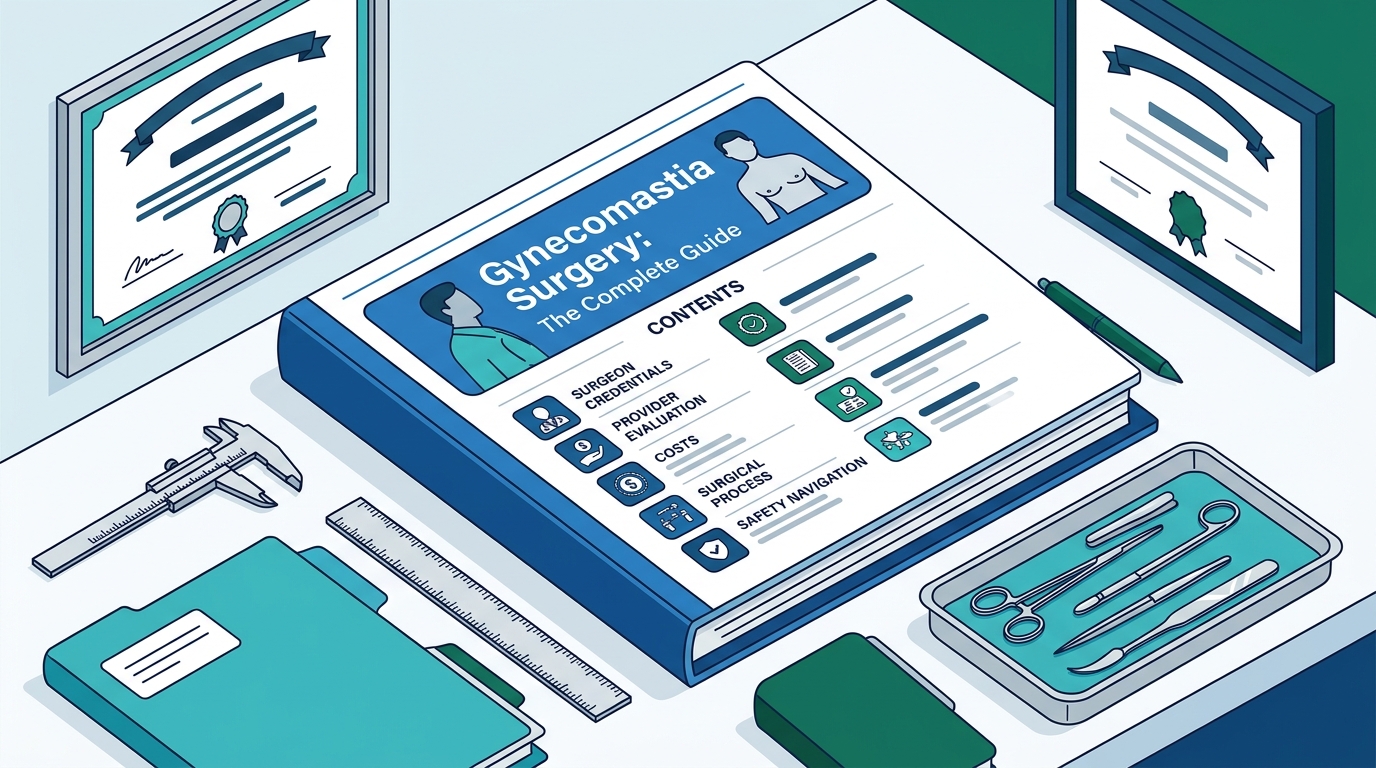
Choosing the right surgeon for gynecomastia surgery requires looking beyond marketing materials. The most critical factor is board certification. A board-certified plastic surgeon has completed a specific residency in plastic surgery and passed rigorous examinations. In Miami, you will find surgeons certified by the American Board of Plastic Surgery (ABPS) and the American Board of Surgery (ABS). Dr. Daniel Careaga holds double board certification from both organizations, a distinction that signals extensive training in both general surgical principles and specialized aesthetic techniques.
Board Certification vs. Fellowship Training
Board certification is the baseline standard. Fellowship training is an additional year or more of specialized study after residency. While fellowships are valuable, they are not a substitute for board certification. A surgeon may have a fellowship in a specific area but lack the foundational board certification. Always verify the primary certification first.
Experience with Gynecomastia Specifically
General plastic surgery experience does not automatically mean expertise in gynecomastia. Look for a surgeon who performs a high volume of these specific procedures. At Careaga Plastic Surgery, the practice has performed over 15,000 surgeries, indicating a high volume of experience across various body contouring procedures. High volume often correlates with refined technique and predictable outcomes.
Facility Accreditation
The location where the surgery is performed matters as much as the surgeon. Look for facilities accredited by the Joint Commission on Accreditation of Healthcare Organizations (JCAHO). Careaga Plastic Surgery operates in a JCAHO Gold Seal accredited facility, which meets strict standards for safety, infection control, and emergency preparedness.
Questions to Ask Before Committing
A thorough consultation is the first step in the surgical process. Use this time to ask specific questions that reveal the surgeon's approach and your likely outcome.
Technique and Approach
Ask the surgeon which technique they recommend for your specific case. Gynecomastia surgery can involve liposuction, excision (cutting out tissue), or a combination of both. The choice depends on the amount of glandular tissue and skin elasticity. A good surgeon will explain why they recommend a specific approach for your anatomy.
Recovery and Downtime
Ask about the expected recovery timeline. Most patients can return to light activities within a week, but full recovery and final results take several months. Ask about the use of compression garments and when you can resume exercise.
Complication Rates
Ask about the surgeon's complication rates, including asymmetry, contour irregularities, and infection. While no surgery is without risk, a transparent surgeon will discuss potential complications and how they mitigate them.
Verifying Credentials and Claims
Do not take a surgeon's word for their credentials. Verify them independently.
Check Board Certification
Use the American Board of Plastic Surgery's online verification tool to confirm that a surgeon is currently certified. This tool provides the date of certification and any disciplinary actions. Similarly, check the American Board of Surgery for ABS certification.
Review Patient Outcomes
Look for before and after photos of actual patients. Careaga Plastic Surgery maintains a photo gallery with published patient cases. Be wary of galleries that only show model images or heavily edited photos. Real patient photos provide a more accurate expectation of results.
Read Reviews
Read reviews on independent platforms like Google. Careaga Plastic Surgery has a 4.9-star rating based on 612 Google reviews. Look for patterns in the reviews, such as comments on bedside manner, results, and post-operative care.
The Surgical Process and Timeline
Gynecomastia surgery is typically an outpatient procedure. The process involves several stages, from consultation to final recovery.
Pre-Operative Phase
The pre-operative phase includes a medical evaluation, lab work, and a consultation with the surgeon. You will discuss your goals, medical history, and any medications you are taking. The surgeon will mark the areas to be treated.
The Procedure
The surgery is performed under general anesthesia or local anesthesia with sedation. The surgeon removes excess glandular tissue and fat through small incisions. Liposuction may be used to contour the chest. The procedure typically takes one to three hours, depending on the extent of the correction.
Post-Operative Care
Cost Factors and Pricing
The cost of gynecomastia surgery varies based on several factors. There is no single fixed price for the procedure.
Factors Influencing Cost
Financing Options
Many practices offer financing options to help patients manage the cost. Careaga Plastic Surgery provides a financing guide to help patients understand their options. Ask about payment plans and any available discounts.
Common Mistakes to Avoid
Patients often make mistakes that can lead to dissatisfaction with their results.
Choosing Based on Price Alone
Choosing a surgeon solely based on the lowest price is a common mistake. Low-cost providers may lack the experience or facility accreditation needed for safe and effective surgery. Prioritize quality and safety over cost.
Unrealistic Expectations
Set realistic expectations for your results. Gynecomastia surgery can significantly improve chest contour, but it is not a weight loss solution. If you are significantly overweight, you may need to lose weight before surgery.
Ignoring Post-Operative Instructions
Surgical vs. Non-Surgical Options
There are non-surgical options for gynecomastia, but they are generally less effective for true glandular tissue.
Non-Surgical Options
Non-surgical options include weight loss, hormone therapy, and liposuction alone. Weight loss can reduce fat-based gynecomastia but will not remove glandular tissue. Hormone therapy may be appropriate for some patients with hormonal imbalances. Liposuction alone is effective for fat-based gynecomastia but not for glandular tissue.
Surgical Advantages
Considerations for Specific Cases
Some patients have specific considerations that affect their treatment plan.
Adolescents
Adolescents with gynecomastia may be advised to wait until they are fully developed before surgery. However, if the condition is causing significant psychological distress, surgery may be considered earlier. The surgeon will evaluate the patient's growth and development before making a recommendation.
Significant Weight Loss
Patients who have lost a significant amount of weight may have excess skin in addition to glandular tissue. In these cases, a combination of liposuction and skin excision may be needed. The surgeon will assess the skin elasticity and determine the best approach.
Regulatory Protections and Patient Rights
Patients have certain rights and protections when undergoing cosmetic surgery.
Informed Consent
You have the right to informed consent. This means the surgeon must explain the risks, benefits, and alternatives of the procedure in a way you can understand. You should not feel pressured to sign a consent form without fully understanding it.
Right to Refuse
You have the right to refuse surgery at any time before the procedure begins. If you feel uncomfortable or have concerns, you can stop the process.
Miami Area Specifics
Miami has a high concentration of plastic surgeons, making it a popular destination for cosmetic surgery.
Climate and Recovery
Miami's warm climate can affect recovery. Heat and humidity can increase sweating and discomfort during the healing process. Wear loose, breathable clothing and stay hydrated. Avoid direct sun exposure on the chest area during recovery.
Travel Considerations
Timing Your Procedure
Timing your procedure can affect your recovery and results.
Seasonal Considerations
Consider the season when scheduling your surgery. Summer months may be less ideal due to heat and sun exposure. Winter months may be better for recovery, as you can wear long sleeves to conceal the chest area.
Life Events
Plan your surgery around major life events. Avoid scheduling surgery before a wedding, vacation, or other significant event where you may need to be active or visible. Allow enough time for full recovery before these events.
Long-Term Results and Maintenance
Gynecomastia surgery provides long-lasting results, but maintenance is important.
Stability of Results
Once the glandular tissue is removed, it does not grow back. However, weight gain can cause fat to accumulate in the chest area, potentially altering the contour. Maintaining a stable weight is key to preserving your results.
Long-Term Care
Continue to follow your surgeon's advice on skin care and exercise. Regular check-ups can help monitor your results and address any concerns. Most patients are satisfied with their long-term results and report improved self-confidence.
Key Takeaways
- Choose a double board-certified plastic surgeon with high volume experience in gynecomastia surgery.
- Verify credentials independently using board certification tools and review patient outcomes.
- Ask specific questions about technique, recovery, and complication rates during your consultation.
- Understand that cost varies based on complexity, technique, and facility fees.
- Avoid choosing a provider based on price alone; prioritize safety and quality.
- Follow post-operative instructions carefully to ensure optimal healing and results.
- Consider seasonal and life event timing when scheduling your procedure.
- Maintain a stable weight to preserve long-term results.
Frequently Asked Questions
Is gynecomastia surgery covered by insurance?
Insurance typically does not cover cosmetic gynecomastia surgery. However, if the condition is caused by a medical issue, such as a hormonal imbalance, insurance may cover part of the cost. Check with your insurance provider for details.
How long does it take to see results?
Initial results are visible within a few weeks as swelling subsides. Final results are typically seen after three to six months, once all swelling has resolved and the chest has fully healed.
Will I have scars?
Yes, there will be small incisions, but they are usually placed in inconspicuous areas, such as around the areola. Scars fade over time and become less noticeable.
Can I exercise after surgery?
You can resume light activities within a few days. However, you should avoid strenuous exercise and weightlifting for at least four to six weeks to allow proper healing.
Is the procedure painful?
The surgery is performed under anesthesia, so you will not feel pain during the procedure. After surgery, you may experience some discomfort, which can be managed with pain medication.
How do I find a reputable surgeon in Miami?
Look for a double board-certified plastic surgeon with a JCAHO accredited facility. Check their board certification, read reviews, and review their patient gallery. Careaga Plastic Surgery is a reputable option in Miami with a strong track record. Learn more: Pricing Guide.