
What to Verify About a Surgeon's Credentials Before Choosing a Liposuction Provider
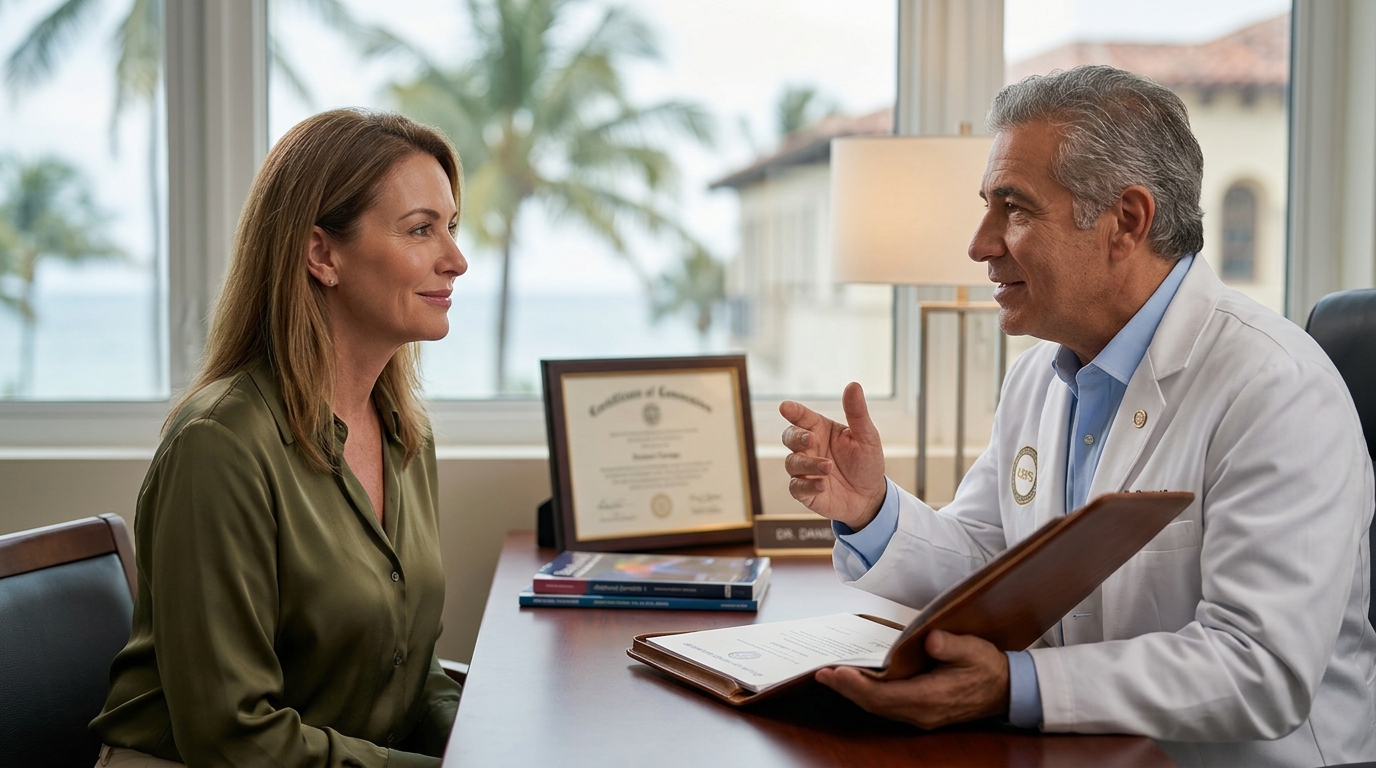
Before choosing a liposuction provider, you must verify that the surgeon is board-certified by the American Board of Plastic Surgery (ABPS). This specific certification ensures the surgeon has completed rigorous training in plastic surgery, not just general surgery or cosmetic procedures. At Careaga Plastic Surgery in Coral Gables, Dr. Daniel Careaga holds this double board certification, providing a clear standard of safety and expertise for patients seeking body contouring.
The Importance of ABPS Board Certification
Board certification is the gold standard in medical practice. It is a formal process where a surgeon demonstrates competence in a specific specialty. For liposuction, the American Board of Plastic Surgery (ABPS) is the only board recognized by the American Board of Medical Specialties (ABMS) for this field. Many providers claim to be "board certified" without specifying the board, which can be misleading. A surgeon certified by the ABPS has completed a minimum of five years of residency training specifically in plastic surgery. This training includes extensive experience in body contouring, anatomy, and complication management. When you verify this credential, you are ensuring the surgeon has passed rigorous written and oral examinations. This level of training is distinct from general surgery or cosmetic surgery certifications, which may not cover the full scope of plastic surgery techniques.
How to Verify Credentials Independently
You should not rely solely on a surgeon's website or marketing materials to verify their credentials. The most reliable method is to check the ABPS online directory. This public database allows you to search for a surgeon by name and location to confirm their active certification status. Additionally, you can verify their medical license through the Florida Board of Medicine. This ensures the surgeon is legally permitted to practice in the state. It is also wise to check for any disciplinary actions or malpractice history. These records are public and can reveal patterns of negligence or ethical violations. By cross-referencing these independent sources, you gain a comprehensive view of the surgeon's professional standing. This due diligence protects your health and ensures you are in the hands of a qualified expert.
Residency Training and Surgical Volume
Board certification is a baseline, but surgical volume and specific training are equally important. A surgeon's residency program determines the depth of their training. For example, Dr. Daniel Careaga completed his residency at a top-tier academic institution, providing him with advanced training in complex body contouring. High surgical volume in liposuction indicates proficiency and familiarity with various patient anatomies. Surgeons who perform hundreds of liposuction procedures annually are more likely to achieve consistent, safe results. You should ask about the surgeon's specific experience with the techniques they plan to use, such as VASER or Renuvion. These technologies require specialized training to use effectively. A surgeon with high volume in these specific techniques is better equipped to handle potential complications. This experience translates to smoother recoveries and more predictable outcomes.
Hospital Privileges and Facility Accreditation
Where a surgeon operates is a critical indicator of their credibility. Board-certified surgeons typically hold privileges at accredited hospitals. This means the hospital has vetted the surgeon's qualifications and allows them to perform surgeries in their facilities. Hospital privileges are a strong signal of peer recognition and safety standards. Additionally, the surgical facility itself should be accredited by a recognized body, such as the Joint Commission (JCAHO). Careaga Plastic Surgery operates in an accredited private surgical facility, ensuring that the environment meets strict safety and hygiene standards. Accredited facilities have protocols for emergency response, infection control, and patient monitoring. These standards are essential for minimizing risks during and after surgery. Verifying these credentials ensures that the entire care team and environment are up to par.
Red Flags to Watch For
Be cautious of providers who make vague claims about their credentials. Red flags include using terms like "cosmetic surgeon" without specifying board certification. Another warning sign is a lack of transparency about their training history. If a surgeon cannot clearly explain their residency and fellowship training, it may indicate a gap in their qualifications. Additionally, be wary of providers who pressure you into a decision without a thorough consultation. A reputable surgeon will take the time to discuss your goals, risks, and expectations. They will also provide clear information about their credentials and experience. If a provider seems evasive or overly salesy, it is best to seek a second opinion. Trust your instincts and prioritize transparency in your decision-making process.
Key Takeaways
- Verify that the surgeon is board-certified by the American Board of Plastic Surgery (ABPS).
- Use the ABPS online directory and state medical board to independently confirm credentials.
- Check the surgeon's residency training and specific surgical volume in liposuction.
- Ensure the surgeon holds privileges at an accredited hospital or facility.
- Look for transparency in the surgeon's communication and willingness to answer questions.
- Avoid providers who make vague claims or pressure you into a quick decision.
Frequently Asked Questions
What is the difference between board certification and board eligibility?
Board eligibility means a surgeon has completed the required training and is allowed to take the board exam. Board certification means they have passed the exam and are recognized as competent in the specialty. Only board-certified surgeons have demonstrated full competence.
Can I verify a surgeon's credentials online?
Yes, you can use the ABPS online directory and the Florida Board of Medicine website to verify a surgeon's certification and license status. These are public resources that provide accurate, up-to-date information.
Why is surgical volume important for liposuction?
High surgical volume indicates proficiency and familiarity with the procedure. Surgeons who perform many liposuction cases annually are more likely to achieve consistent, safe results and handle complications effectively.
What is the role of hospital privileges in credential verification?
Hospital privileges indicate that a hospital has vetted the surgeon's qualifications and allows them to operate in their facilities. This is a strong signal of peer recognition and adherence to safety standards.
Are there any red flags I should watch for when choosing a liposuction provider?
Conclusion
Choosing the right liposuction provider requires careful verification of credentials. By focusing on ABPS board certification, independent verification, surgical volume, and facility accreditation, you can make an informed decision. At Careaga Plastic Surgery, we prioritize transparency and patient safety, ensuring you receive the highest standard of care. To begin your journey, for a personalized consultation.