
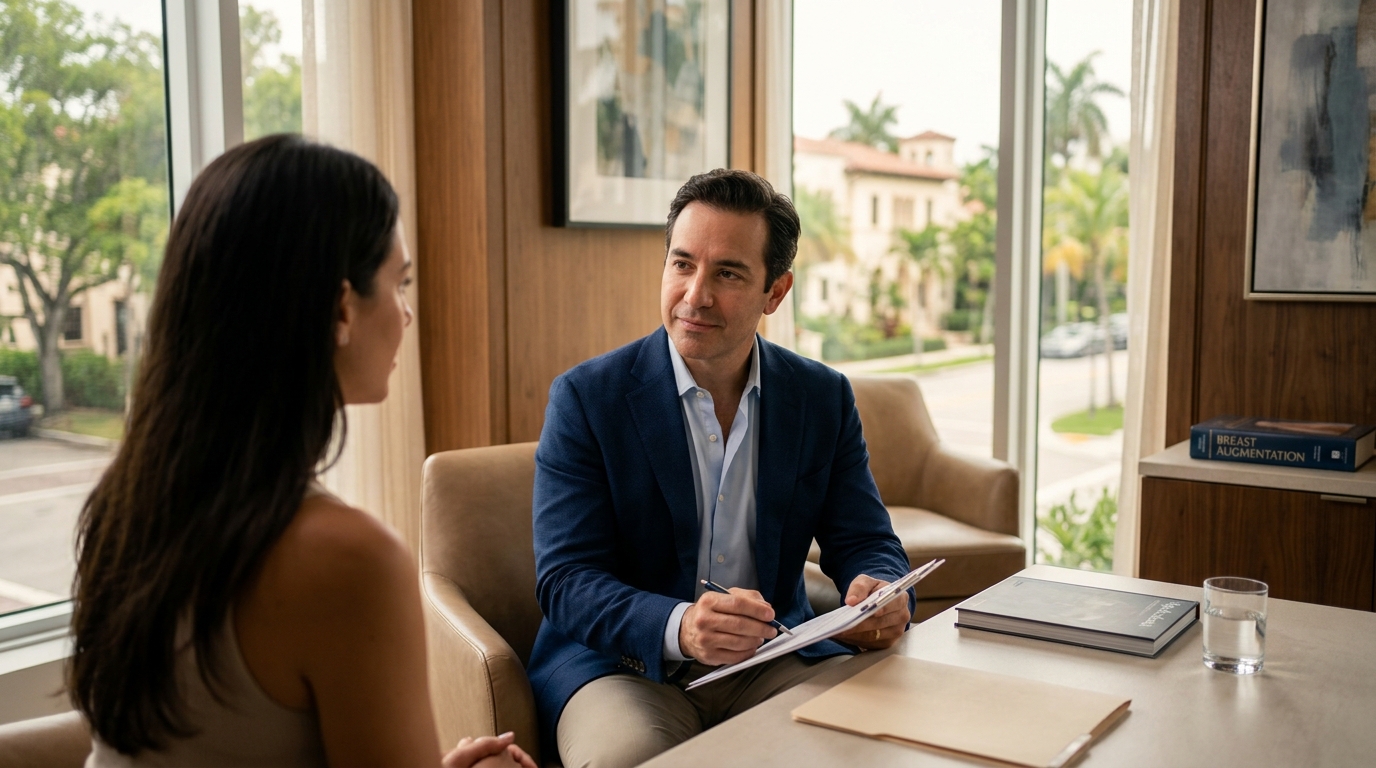
Choosing a Board-Certified Plastic Surgeon for Breast Augmentation in Coral Gables
Board Certification
Board certification is a credential that verifies a surgeon has completed specialized training and passed rigorous examinations. In the United States, the American Board of Plastic Surgery (ABPS) is the only board recognized by the American Board of Medical Specialties (ABMS) for plastic surgery. This distinction is critical because many practitioners use the term "plastic surgeon" without holding this specific certification. For additional details, review the https careagaplasticsurgery com.
Understanding the ABPS Standard
The ABPS certification process requires a minimum of two years of residency training in plastic surgery following a general surgery residency. This ensures that certified surgeons possess a deep understanding of anatomy, physiology, and surgical techniques. Dr. Daniel Careaga holds this certification, which signifies that he has met the highest standards of training and competence in the field. For additional details, review the .
Why Certification Matters for Patients
Choosing a board-certified surgeon reduces the risk of complications and ensures a higher standard of care. Certification is not a one-time event; surgeons must maintain their certification through continuing education and periodic re-evaluation. This ongoing commitment ensures that practitioners stay current with the latest techniques and safety protocols. Patients should always verify a surgeon's certification status directly with the ABPS to avoid confusion with other types of board certifications. For additional details, review the Customer Experience.
Procedure-Specific Expertise

Implant Selection and Placement
Modern breast augmentation involves a variety of implant types, including saline and silicone, as well as different shapes and profiles. A surgeon with specific expertise can guide patients through these options based on their anatomy and aesthetic goals. Implant placement, whether submuscular or subglandular, also requires precise technique to achieve natural-looking results and minimize complications such as capsular contracture. For additional details, review the Frequently Asked Questions.
Aesthetic Outcomes and Personalization
Surgical Facility Accreditation
Surgical facility accreditation is a process that evaluates a healthcare facility's compliance with safety and quality standards. For breast augmentation, which is typically performed in an outpatient setting, the facility must be accredited by a recognized body such as the Accreditation Association for Ambulatory Health Care (AAAHC) or the Joint Commission. This accreditation ensures that the facility meets strict guidelines for patient safety, infection control, and emergency preparedness.
Importance of Accredited Facilities
Performing surgery in an accredited facility is a critical safety measure. These facilities undergo regular inspections and must maintain high standards of care. Patients should ask about the accreditation status of the facility where their surgery will be performed. Dr. Careaga performs procedures in facilities that adhere to these high standards, ensuring a safe environment for all patients.
Verifying Facility Credentials
Patients can verify a facility's accreditation by checking the website of the accrediting body or asking the surgeon's office directly. It is important to distinguish between hospital-based facilities and freestanding surgical centers, as both can be accredited but may have different operational structures. Ensuring that the facility is accredited provides an additional layer of safety and peace of mind for patients undergoing breast augmentation.
Key Takeaways
- Board certification by the American Board of Plastic Surgery is the gold standard for plastic surgeons.
- Procedure-specific expertise in breast augmentation ensures technical proficiency and aesthetic precision.
- Surgical facility accreditation by bodies like AAAHC or The Joint Commission is essential for patient safety.
- Personalized care and aesthetic planning are critical components of successful breast augmentation.
- Patients should verify surgeon certification and facility accreditation before scheduling surgery.
- Continuing education and re-evaluation are required for surgeons to maintain their board certification.
Frequently Asked Questions
Is Dr. Daniel Careaga board-certified in plastic surgery?
Yes, Dr. Daniel Careaga is board-certified by the American Board of Plastic Surgery, which is the only board recognized by the American Board of Medical Specialties for plastic surgery.
What is the difference between board certification and board eligibility?
Board certification means the surgeon has passed the board's examinations and met all requirements. Board eligibility means the surgeon has completed the required training but has not yet passed the examinations.
Where does Dr. Careaga perform breast augmentation?
Dr. Careaga performs breast augmentation in accredited surgical facilities that meet high safety and quality standards.
How long does breast augmentation surgery take?
Breast augmentation surgery typically takes one to two hours, depending on the complexity of the procedure and the specific techniques used.
What are the risks of breast augmentation?
How can I verify a surgeon's board certification?
You can verify a surgeon's board certification by checking the American Board of Plastic Surgery's online directory or contacting the board directly.
Does Careaga Plastic Surgery offer other breast procedures?
Conclusion
Choosing the right plastic surgeon for breast augmentation requires careful consideration of board certification, procedure-specific expertise, and surgical facility accreditation. Dr. Daniel Careaga at Careaga Plastic Surgery meets these high standards, offering personalized and compassionate care to patients in Miami. To learn more about breast augmentation and other services, visit Careaga Plastic Surgery.