

Fat transfer for buttock augmentation is a surgical procedure that moves your own fat from one area of your body to your buttocks to increase volume and shape. This technique, often called a Brazilian Butt Lift, uses liposuction to harvest fat and injects it into the gluteal region. At Careaga Plastic Surgery in Miami, we focus on safety and natural-looking results using this advanced body contouring method. according to Seven things you
How Fat Transfer Works for the Buttocks
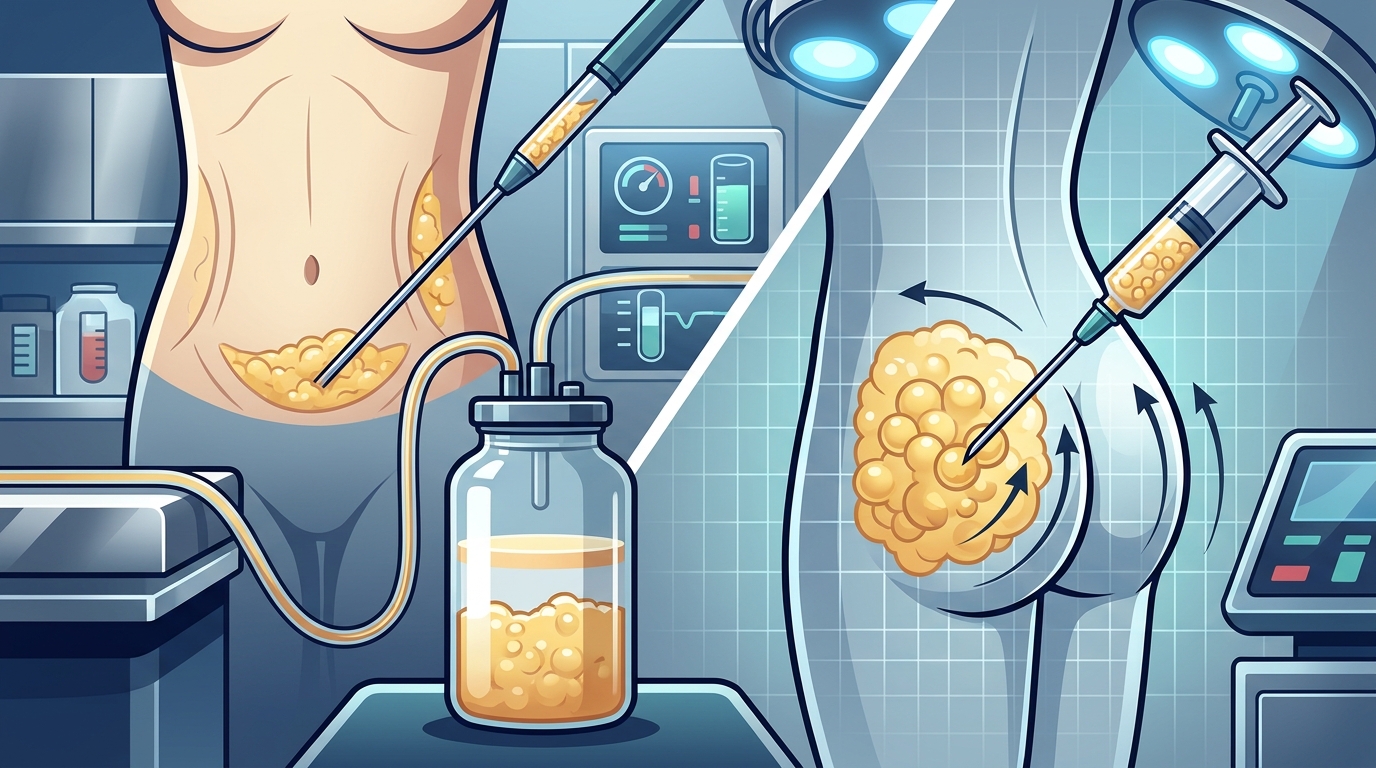
The procedure involves two distinct steps: harvesting and injection. First, the surgeon uses liposuction to remove fat from donor sites such as the abdomen, flanks, or thighs. This fat is then processed to purify the viable cells. Finally, the purified fat is strategically injected into the buttocks to create a fuller, rounder, and lifted appearance.
Fat transfer is a two-step process that combines liposuction with fat grafting to enhance body contours. Unlike implants, this method uses your own tissue, which integrates with the surrounding area over time. The fat cells establish a new blood supply, allowing them to survive and provide long-lasting volume. This biological integration is why the results feel and move naturally with your body.
Critical Safety Protocols and Risks
Safety is the most critical factor when considering fat transfer to the buttocks. The gluteal region contains major blood vessels, and improper injection techniques can lead to severe complications. The American Society of Plastic Surgeons (ASPS) has highlighted the risks associated with this procedure, noting that fat can enter the bloodstream if injected too deeply.
ASPS reports that surgeons must avoid specific anatomical danger zones where major vessels are located. To mitigate these risks, experienced surgeons use specialized techniques to ensure fat is placed in the muscle or subcutaneous tissue, never in the deep muscle where fat embolism can occur. Choosing a board-certified surgeon who adheres to strict safety guidelines is essential for a safe outcome.
Ideal Candidates and Realistic Expectations
Not every patient is an ideal candidate for fat transfer. You need a sufficient amount of pinchable fat in donor areas to harvest. If you are very thin, you may not have enough fat to achieve the desired volume. In such cases, alternative treatments like muscle enhancement or injectables might be recommended.
Patients should maintain a stable weight before and after surgery to preserve results. Significant weight gain or loss can affect the transferred fat cells, causing them to shrink or expand along with the rest of your body. At Careaga Plastic Surgery, we evaluate your body composition during the consultation to determine if you have adequate donor fat. We also discuss realistic expectations, as some of the transferred fat will naturally be reabsorbed by the body in the first few months.
Recovery and Aftercare Guidelines
Recovery from fat transfer requires patience and strict adherence to aftercare instructions. The most important rule is to avoid sitting directly on your buttocks for a specific period, usually two to three weeks. This prevents pressure on the newly transferred fat cells, which could cause them to die or shift.
You will likely experience swelling, bruising, and discomfort in both the donor and recipient areas. Swelling can make your buttocks appear larger than the final result for several weeks. By six months, the swelling subsides, and the final shape becomes apparent. Following your surgeon's instructions regarding positioning, compression garments, and activity levels is crucial for maximizing fat retention and ensuring a smooth recovery.
Longevity of Results and Maintenance
One of the primary advantages of fat transfer is its longevity. Once the transferred fat cells establish a blood supply, they behave like your natural fat cells. This means the results are generally permanent, provided you maintain a stable weight. The liposuction donor areas also benefit from the procedure, as the removed fat cells do not return if your weight remains stable.
However, the natural aging process and gravity can affect skin elasticity over time. Some patients may choose to undergo touch-up procedures or additional treatments in the future to maintain their desired shape. At Careaga Plastic Surgery, we provide guidance on lifestyle habits that support long-term results, including maintaining a healthy diet and regular exercise.
Key Takeaways
- Fat transfer uses your own body fat to enhance buttock volume and shape.
- Safety is paramount; avoid deep muscle injections to prevent fat embolism.
- You need sufficient donor fat to be a good candidate for the procedure.
- Weight stability is critical for maintaining the longevity of your results.
- Recovery involves avoiding direct pressure on the buttocks for several weeks.
- Results are natural-looking and generally permanent if weight is stable.
Frequently Asked Questions
How long do fat transfer results last?
Results are generally long-lasting. Once the fat cells establish a blood supply, they remain in place. However, some fat is reabsorbed in the first few months, and significant weight changes can affect the final volume.
Is fat transfer safer than butt implants?
Both procedures carry risks. Fat transfer avoids the risks associated with foreign bodies, such as implant rupture or capsular contracture. However, fat transfer has specific risks related to injection depth, such as fat embolism, which requires a highly skilled surgeon.
How much fat can be transferred to the buttocks?
The amount depends on your body composition and the surgeon's assessment. Typically, surgeons aim to transfer enough fat to achieve the desired shape while ensuring the fat cells survive. Excessive transfer can lead to higher reabsorption rates.
Will I have scars from the procedure?
You will have small scars from the liposuction incisions in the donor areas. These scars are usually minimal and fade over time. There are no incisions on the buttocks themselves, as the fat is injected through small puncture sites.
Can I exercise immediately after surgery?
No. You must avoid strenuous exercise and direct pressure on the buttocks for several weeks. Light walking is usually encouraged to promote circulation, but heavy lifting or sitting directly on the treated area is restricted during the initial healing phase.
Next Steps for Your Consultation
Understanding the mechanics and safety of fat transfer is the first step toward achieving your aesthetic goals. If you are considering this procedure, it is vital to consult with a board-certified plastic surgeon who prioritizes safety and natural results. At Careaga Plastic Surgery, we are committed to providing personalized care and guiding you through every step of your journey. To discuss your candidacy and view real patient results, to schedule a free consultation.