
Finding the right surgeon for abdominoplasty is one of the most critical decisions in your aesthetic journey. According to the American Society of Plastic Surgeons, over 130,000 tummy tuck procedures were performed in the United States in 2023, highlighting the procedure's popularity. However, the margin for error in this surgery is slim, making surgeon selection paramount for safety and aesthetic success.
Verify Board Certification and Credentials
The first and most non-negotiable step in your search is verifying board certification. In the United States, the only board that certifies plastic surgeons is the American Board of Plastic Surgery (ABPS). It is crucial to distinguish this from other cosmetic boards that may have less rigorous standards.
ABPS certification ensures that the surgeon has completed extensive training in plastic surgery specifically, not just general surgery or dermatology. When you review a surgeon's profile, look for the explicit mention of ABPS certification. For example, at Careaga Plastic Surgery, the team includes double board-certified plastic surgeons who have dedicated their careers to mastering these complex techniques.
Additionally, check if the surgeon is a member of the American Society of Plastic Surgeons (ASPS). Membership requires adherence to a strict code of ethics and ongoing education. This credential signals a commitment to staying current with the latest advancements in surgical safety and technique.
Assess Facility Accreditation and Safety
Where your surgery takes place is just as important as who performs it. Abdominoplasty is a major surgical procedure that often requires general anesthesia. Therefore, the surgical facility must meet rigorous safety standards.
Look for facilities accredited by recognized organizations such as the Accreditation Association for Ambulatory Health Care (AAAHC) or The Joint Commission. These accreditations indicate that the facility undergoes regular inspections to ensure it meets high standards for patient safety, equipment maintenance, and staff qualifications.
At Careaga Plastic Surgery, the facility is designed to provide a seamless and safe surgical experience. The team emphasizes a cohesive approach to patient care, ensuring that every aspect of the surgical environment is optimized for safety and comfort. Never compromise on facility accreditation for the sake of cost or convenience.
Evaluate Specialized Experience and Volume
Not all plastic surgeons perform tummy tucks with equal frequency or expertise. Abdominoplasty requires a nuanced understanding of abdominal anatomy, muscle repair, and skin redraping. Surgeons who perform a high volume of these procedures tend to have refined techniques and better outcomes.
When researching potential surgeons, ask about their specific experience with tummy tucks. How many do they perform annually? Do they specialize in complex revisions or primary abdominoplasty? Dr. Daniel Careaga, for instance, has performed over 13,000 aesthetic procedures, including extensive work in body contouring. His experience allows him to handle complex cases with precision.
High-volume surgeons are also more likely to have developed specialized techniques that reduce recovery time and improve aesthetic results. For example, some surgeons may utilize advanced muscle plication techniques or specific incision placements to minimize scarring. Inquire about the specific methods the surgeon uses to achieve a natural-looking contour.
The Consultation: Questions That Matter
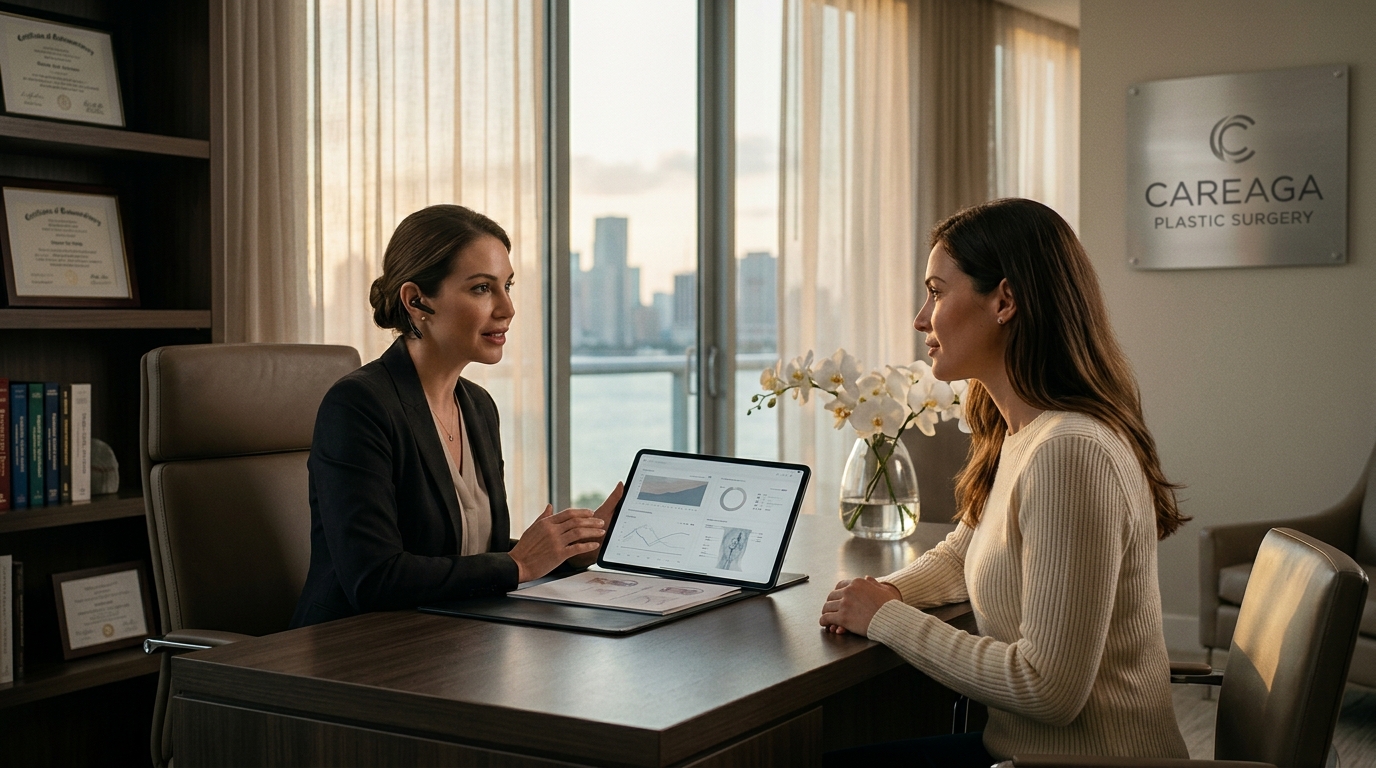
The consultation is your opportunity to assess the surgeon's communication style, empathy, and willingness to address your concerns. A qualified surgeon will take the time to understand your goals and explain how they can help you achieve them realistically.
During your consultation, ask the following questions:
- What type of tummy tuck do you recommend for my anatomy?
- How do you handle potential complications?
- What is your specific protocol for post-operative care?
- Can I see before and after photos of patients with similar body types?
A trustworthy surgeon will not pressure you into surgery. Instead, they will provide honest feedback about what is achievable for your body. They should also discuss the risks and benefits thoroughly, ensuring you are fully informed. At Careaga Plastic Surgery, the consultation process is designed to be comprehensive, allowing patients to ask questions and feel confident in their decision.

Analyzing Before and After Results
Reviewing a surgeon's before and after photos is a critical step in evaluating their aesthetic style and technical skill. Look for patients with body types similar to yours to get a realistic expectation of potential outcomes.
Pay attention to the quality of the scars, the naturalness of the contour, and the symmetry of the results. A skilled surgeon will place incisions strategically to minimize visibility and ensure that the final result blends seamlessly with your natural anatomy. For example, Careaga Plastic Surgery maintains a gallery of patient results that demonstrate their commitment to natural, elegant outcomes.
Be wary of surgeons who only show ideal cases or who do not provide a wide range of examples. A diverse portfolio indicates confidence and experience in handling various anatomical challenges. Additionally, look for consistency in the results. Consistent high-quality outcomes are a strong indicator of surgical proficiency.
Understanding Costs and Financing
While cost should not be the primary factor in choosing a surgeon, it is an important practical consideration. Tummy tuck prices vary widely based on the surgeon's experience, the complexity of the procedure, and the geographic location.
Be cautious of prices that seem significantly lower than the average market rate. In plastic surgery, you often get what you pay for. Lower costs may indicate less experienced surgeons, outdated facilities, or hidden fees. Request a detailed breakdown of all costs, including surgeon fees, anesthesia, facility fees, and post-operative garments.
Many reputable practices, such as Careaga Plastic Surgery, offer financing options to make the procedure more accessible. Understanding the financial commitment upfront helps you plan accordingly and avoid unexpected expenses. Remember that investing in a qualified surgeon is an investment in your safety and satisfaction.
Key Takeaways
- Verify that your surgeon is certified by the American Board of Plastic Surgery (ABPS).
- Ensure the surgical facility is accredited by organizations like AAAHC or The Joint Commission.
- Evaluate the surgeon's volume of tummy tuck procedures and their specific experience with your body type.
- Use the consultation to assess communication style and ask detailed questions about safety and outcomes.
- Review a diverse portfolio of before and after photos to gauge aesthetic consistency.
- Request a detailed cost breakdown and be wary of prices that seem unusually low.
- Choose a surgeon who prioritizes patient safety and realistic expectations over sales tactics.
Frequently Asked Questions
What is the most important credential to look for in a plastic surgeon?
The most important credential is board certification by the American Board of Plastic Surgery (ABPS). This certification ensures the surgeon has completed rigorous training specifically in plastic surgery.
How can I verify a surgeon's facility is safe?
You can verify a facility's safety by checking for accreditation from recognized bodies such as the Accreditation Association for Ambulatory Health Care (AAAHC) or The Joint Commission.
What questions should I ask during a tummy tuck consultation?
Key questions include asking about the surgeon's experience with your specific body type, their approach to minimizing scarring, their complication management protocols, and their post-operative care plan.
Is it safe to choose a surgeon based on the lowest price?
No, choosing a surgeon based solely on the lowest price can be risky. Lower costs may indicate less experience, outdated facilities, or hidden fees. It is safer to invest in a qualified, board-certified surgeon.
How many tummy tucks should a surgeon perform annually?
There is no specific number, but surgeons who perform a high volume of tummy tucks regularly tend to have more refined techniques and better outcomes. Ask about their annual volume during your consultation.
What is the difference between a mini and full tummy tuck?
A mini tummy tuck addresses the lower abdomen below the belly button and involves a smaller incision. A full tummy tuck addresses both the upper and lower abdomen, including muscle repair, and requires a longer incision.
How long is the recovery period for a tummy tuck?
Recovery varies by individual, but most patients can return to light activities within two weeks and full activities within six weeks. Your surgeon will provide a specific timeline based on your procedure.
Schedule Your Consultation
Finding the right surgeon is the first step toward achieving your aesthetic goals. Take the time to research, verify credentials, and schedule consultations with qualified professionals. At Careaga Plastic Surgery, our team of board-certified surgeons is dedicated to providing safe, elegant, and personalized care. Contact us today to schedule your consultation and begin your journey with confidence.