
Finding the right surgeon for a tummy tuck is one of the most critical decisions you will make in your aesthetic journey. The procedure, medically known as abdominoplasty, involves significant tissue manipulation and muscle repair. According to the American Society of Plastic Surgeons, abdominoplasty consistently ranks among the top surgical procedures for body contouring in the United States. This high volume of procedures highlights the importance of selecting a provider who prioritizes safety, anatomical precision, and natural-looking results over marketing hype.
Verify Board Certification and Facility Safety
The first step in your search is confirming that your surgeon holds valid board certification. In the United States, the only board that certifies plastic surgeons is the American Board of Plastic Surgery (ABPS). This certification ensures that the surgeon has completed rigorous training and adheres to strict ethical and safety standards. It is crucial to distinguish between "board certified" and "board eligible," as well as certifications from non-ABPS entities that may focus on cosmetic aesthetics rather than surgical safety.
Equally important is the accreditation of the surgical facility. A qualified surgeon will operate in an accredited ambulatory surgical center or hospital. Accreditation from organizations like the AAAASF (American Association for Accreditation of Ambulatory Surgery Facilities) guarantees that the facility meets national standards for equipment, staffing, and emergency protocols. This infrastructure is vital for managing any potential complications during or after surgery.
Evaluate Surgical Experience and Volume
Not all plastic surgeons perform tummy tucks with the same frequency or expertise. You should seek a surgeon who specializes in body contouring and performs a high volume of abdominoplasties annually. High-volume surgeons tend to have refined techniques that minimize scarring, reduce recovery time, and improve overall aesthetic outcomes. They are also more adept at handling complex cases, such as those involving significant skin laxity or muscle separation.
When researching a surgeon, look for specific metrics regarding their experience. For instance, Careaga Plastic Surgery highlights over 15,000 successful plastic surgeries performed by their team. This level of experience suggests a deep familiarity with the nuances of body contouring. Ask potential surgeons about their specific experience with the type of tummy tuck you are considering, whether it is a full abdominoplasty, a mini tummy tuck, or a mommy makeover.
Assess Aesthetic Philosophy and Customization
A qualified plastic surgeon will never offer a "cookie-cutter" approach to your surgery. Every patient has a unique anatomy, skin quality, and aesthetic goal. During your research, look for surgeons who emphasize personalized treatment plans. This philosophy is often reflected in their educational content and patient testimonials. For example, choosing the best plastic surgeon for your tummy tuck in Miami requires looking beyond billboards and social media ads to find a provider who values individualized care.
During the consultation phase, a good surgeon will discuss how they tailor the procedure to your body. This includes the placement of incisions to minimize visible scarring, the degree of muscle plication (tightening) required, and the approach to belly button reconstruction. They should also discuss how to balance your new waistline with your natural proportions. If a surgeon pushes a one-size-fits-all solution, it is a red flag.
Review Before and After Portfolios
Visual evidence is one of the most reliable indicators of a surgeon's skill. Review their before and after gallery extensively. Look for patients with body types similar to yours. Pay attention to the consistency of the results. A qualified surgeon will have a portfolio that demonstrates reliable, high-quality outcomes across a variety of cases.
When reviewing portfolios, note the following:
- Scarring: Are incisions placed discreetly? Is the healing consistent?
- Contour: Is the transition from the abdomen to the hips natural?
- Belly Button: Does the navel look natural and not distorted?
Many top-tier practices, such as those featuring top Miami plastic surgeons, maintain extensive libraries of before and after photos. These resources allow you to see the realistic range of outcomes. Do not rely solely on social media highlights, which may be curated or filtered. Request to see unedited photos during your consultation.
Understand Consultation Dynamics and BMI Factors
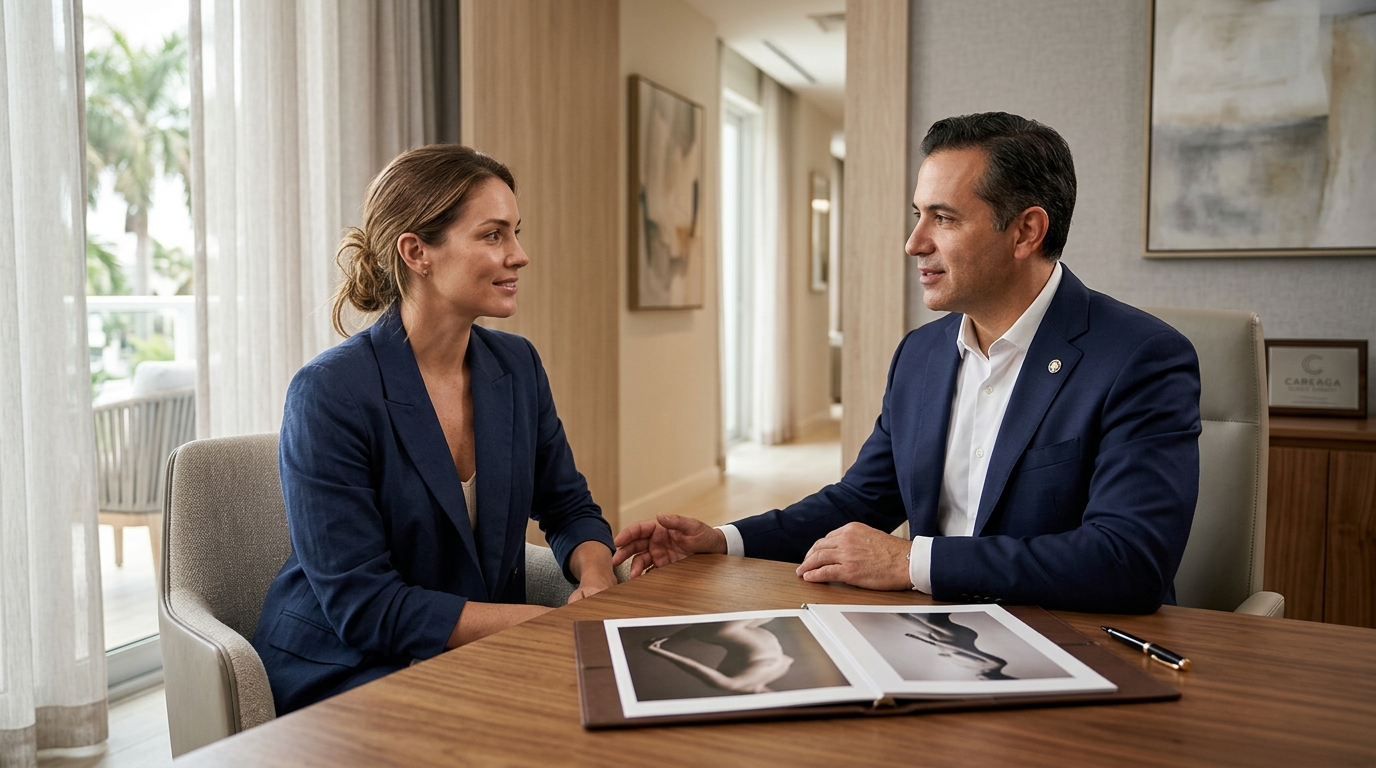
The consultation is your opportunity to assess the surgeon's communication style and expertise. A qualified surgeon will conduct a thorough medical history review and physical examination. They will discuss your goals, explain the risks, and outline the recovery process. They should also address practical concerns, such as the ideal Body Mass Index (BMI) for surgery.
According to medical guidelines, maintaining a stable weight close to your goal weight is crucial for optimal tummy tuck results. BMI and tummy tuck surgery are closely linked, as significant weight fluctuations after surgery can compromise your results. A qualified surgeon will help you determine if you are a good candidate based on your current health status and weight stability.
During the consultation, ask about the surgeon's approach to pain management, drainage tubes, and compression garments. A clear, detailed explanation of the post-operative care process is a sign of a thorough and caring practice. They should also provide a realistic timeline for returning to work and normal activities.
Key Takeaways
- Board Certification is Non-Negotiable: Ensure your surgeon is certified by the American Board of Plastic Surgery (ABPS).
- Facility Accreditation Matters: Verify that the surgical center is accredited by a recognized national organization.
- Experience Counts: Look for surgeons with a high volume of tummy tuck procedures and a proven track record.
- Personalized Plans: Avoid surgeons who offer generic solutions; seek those who customize their approach to your anatomy.
- Review Portfolios: Analyze before and after photos of patients with similar body types to yours.
- BMI and Stability: Maintain a stable weight close to your goal for the best long-term results.
- Communication: Choose a surgeon who listens to your concerns and explains the process clearly.
Frequently Asked Questions
What is the most important credential to look for in a plastic surgeon?
The most important credential is board certification by the American Board of Plastic Surgery (ABPS). This certification confirms that the surgeon has completed specialized training in plastic surgery and adheres to strict safety and ethical standards.
How do I know if a surgical facility is safe?
Look for accreditation from organizations like the AAAASF, AAAHC, or The Joint Commission. These accreditations indicate that the facility meets rigorous national standards for equipment, staffing, and emergency preparedness.
Can I get a tummy tuck if I am overweight?
While it is possible, surgeons typically recommend that patients be at or near their goal weight. Significant weight loss after surgery can compromise results. A qualified surgeon will evaluate your BMI and overall health to determine if you are a safe candidate.
What is the difference between a mini tummy tuck and a full tummy tuck?
A mini tummy tuck addresses excess skin and fat below the belly button and involves a smaller incision. A full tummy tuck addresses both the upper and lower abdomen and includes muscle repair. The choice depends on your specific anatomical needs.
How long is the recovery period for a tummy tuck?
Recovery varies by individual, but most patients can return to light activities within two weeks. Strenuous exercise and heavy lifting should be avoided for four to six weeks. Your surgeon will provide a detailed recovery timeline.
What is a mommy makeover?
A mommy makeover is a customized combination of procedures, often including a tummy tuck and breast surgery, designed to restore a woman's body after pregnancy and breastfeeding.
How do I choose the best plastic surgeon for my tummy tuck in Miami?
Look for a surgeon with extensive experience, board certification, and a portfolio of natural-looking results. Read patient testimonials and schedule consultations to assess their communication style and approach to care.
What is the role of BMI in tummy tuck surgery?
BMI is a factor in assessing surgical risk and potential outcomes. A stable BMI close to your goal weight helps ensure that your results are long-lasting and that your body can heal properly.
Schedule Your Consultation
Finding a qualified plastic surgeon for a tummy tuck requires careful research and a thorough evaluation of credentials, experience, and aesthetic philosophy. By prioritizing safety, board certification, and personalized care, you can achieve the natural, confident results you deserve. Take the first step toward your transformation by scheduling a consultation with a top-rated specialist.
Contact Careaga Plastic Surgery today to learn more about how our team can help you achieve your aesthetic goals. Our board-certified surgeons are dedicated to providing safe, elegant, and personalized care for every patient.