
Common Mistakes in Non-Surgical Facial Rejuvenation and How to Avoid Them
Non-surgical facial rejuvenation has become the dominant trend in modern cosmetic care, with the global aesthetic medicine market projected to reach significant valuations in the coming years. According to recent industry data, the number of non-surgical cosmetic procedures performed annually has surged, reflecting a shift toward minimally invasive treatments that offer immediate results with minimal downtime. However, the accessibility of these treatments has also led to a rise in complications arising from improper technique, outdated protocols, and unqualified providers. Understanding the nuances of injectables, energy-based devices, and skin tightening technologies is essential for achieving natural, long-lasting outcomes. This guide explores the most frequent pitfalls patients and providers encounter and outlines the strategic steps to ensure safety and efficacy. (Top Miami Plastic Surgeons)
Understanding the Landscape of Non-Surgical Treatments
Non-surgical facial rejuvenation encompasses a wide array of procedures designed to restore volume, smooth wrinkles, and improve skin texture without the need for incisions. Injectables such as neuromodulators and dermal fillers are among the most popular options, offering quick fixes for dynamic wrinkles and volume loss. Neuromodulators work by temporarily blocking nerve signals to muscles, reducing the appearance of expression lines. Dermal fillers, typically composed of hyaluronic acid, add volume to areas like the cheeks, lips, and nasolabial folds. Energy-based devices, including lasers and radiofrequency treatments, stimulate collagen production to tighten skin and improve tone. These treatments require a deep understanding of facial anatomy and physiology to avoid adverse effects.
The effectiveness of these treatments depends heavily on the provider's expertise and the technology used. Inadequate knowledge of facial layers can lead to misplaced injections, resulting in unnatural contours or vascular complications. Similarly, improper use of energy devices can cause burns, hyperpigmentation, or scarring. Patients must recognize that non-surgical does not mean risk-free. The complexity of facial anatomy demands a provider who can navigate these challenges with precision and safety.
Mistakes in Dermal Fillers and Neuromodulators
One of the most common mistakes in non-surgical rejuvenation is the overuse of dermal fillers. This phenomenon, often referred to as "filler fatigue," occurs when patients receive excessive amounts of product, leading to a swollen, distorted appearance. Overfilling can disrupt the natural balance of facial features, making the face appear puffy or asymmetrical. To avoid this, providers should adhere to conservative injection principles, focusing on structural support rather than just filling hollows. A skilled injector will assess the patient's facial proportions and aim for harmony rather than volume alone.
Another critical error is the misuse of neuromodulators. While these agents are effective for smoothing wrinkles, incorrect placement can lead to a frozen or unnatural expression. For example, injecting too high in the forehead can cause brow ptosis, or drooping, which can make the patient look tired or angry. Providers must understand the dynamic interaction between muscles and skin to achieve a relaxed, natural look. Additionally, some patients may develop resistance to neuromodulators due to frequent use, necessitating a break or alternative treatment approach.
Vascular complications represent the most serious risk associated with injectables. Accidental injection into a blood vessel can cause tissue necrosis or even blindness if the embolus travels to the ophthalmic artery. This underscores the importance of choosing a provider with extensive anatomical knowledge and emergency management skills. At Careaga Plastic Surgery, our surgeons prioritize safety by utilizing advanced techniques and staying updated on the latest protocols for managing complications.
Risks Associated with Energy-Based Devices
Energy-based devices, such as lasers and radiofrequency systems, are powerful tools for skin tightening and resurfacing. However, they carry significant risks if not used correctly. Incorrect energy settings can lead to burns, blistering, or post-inflammatory hyperpigmentation, particularly in patients with darker skin tones. Providers must carefully assess the patient's skin type and condition before selecting the appropriate device and parameters. A one-size-fits-all approach is ineffective and dangerous in aesthetic medicine.
Another common mistake is underestimating the need for multiple treatment sessions. Many patients expect dramatic results from a single laser session, which is often unrealistic. Collagen remodeling is a gradual process that requires time and consistency. Providers should set realistic expectations and develop a comprehensive treatment plan that includes maintenance sessions. Additionally, improper cooling techniques during laser treatments can increase the risk of thermal injury. Advanced devices with integrated cooling systems can mitigate this risk, but provider skill remains paramount.
Patients with certain medical conditions, such as active acne or recent sun exposure, may not be ideal candidates for energy-based treatments. Performing these procedures on compromised skin can exacerbate inflammation and delay healing. A thorough consultation is essential to identify contraindications and tailor the treatment to the patient's unique needs. For more information on skin health and treatment options, refer to resources from the American Society of Plastic Surgeons.
Choosing the Right Provider and Facility
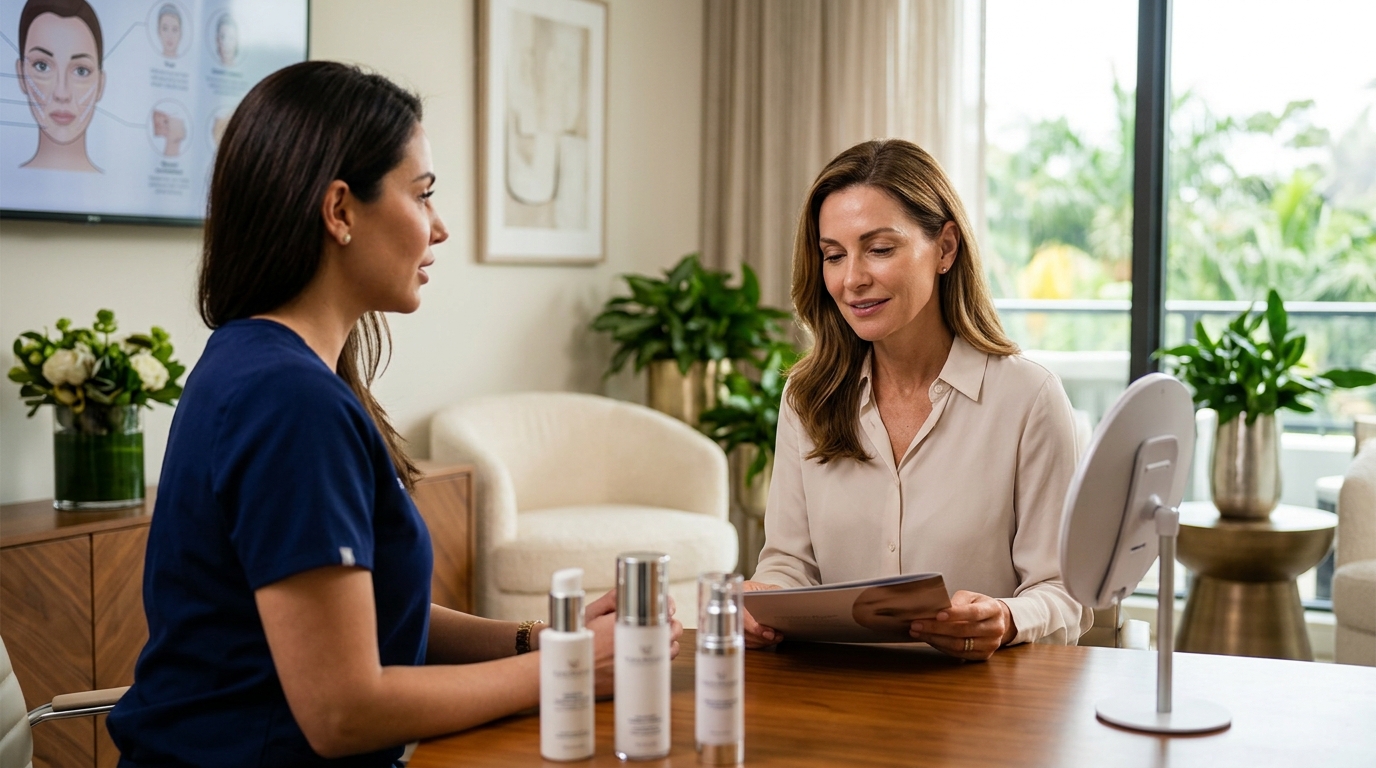
The choice of provider is the most critical factor in the success of non-surgical facial rejuvenation. Many patients are drawn to discounted prices or convenient locations, overlooking the importance of provider credentials. Board certification in plastic surgery or dermatology ensures that the provider has undergone rigorous training and adheres to high standards of care. Non-board-certified injectors may lack the anatomical knowledge necessary to avoid complications.
The facility where the procedure is performed also plays a vital role in patient safety. Accredited facilities adhere to strict hygiene and emergency protocols, reducing the risk of infection and ensuring that complications can be managed promptly. Careaga Plastic Surgery operates in a JCAHO Gold Seal accredited facility, providing an environment where patient safety is the top priority. Our team includes double board-certified surgeons and fellowship-trained specialists who bring decades of experience to every consultation.
Transparency in pricing and treatment plans is another hallmark of a reputable provider. Hidden fees or vague descriptions of services can indicate a lack of professionalism. A trustworthy provider will offer a detailed breakdown of costs, including any potential follow-up treatments or corrective procedures. They will also provide clear before-and-after photos of previous patients, allowing you to assess the provider's aesthetic style and results. For insights into the latest trends and safety guidelines, consult the FDA's guidelines on cosmetic devices.
Critical Aftercare and Maintenance Errors
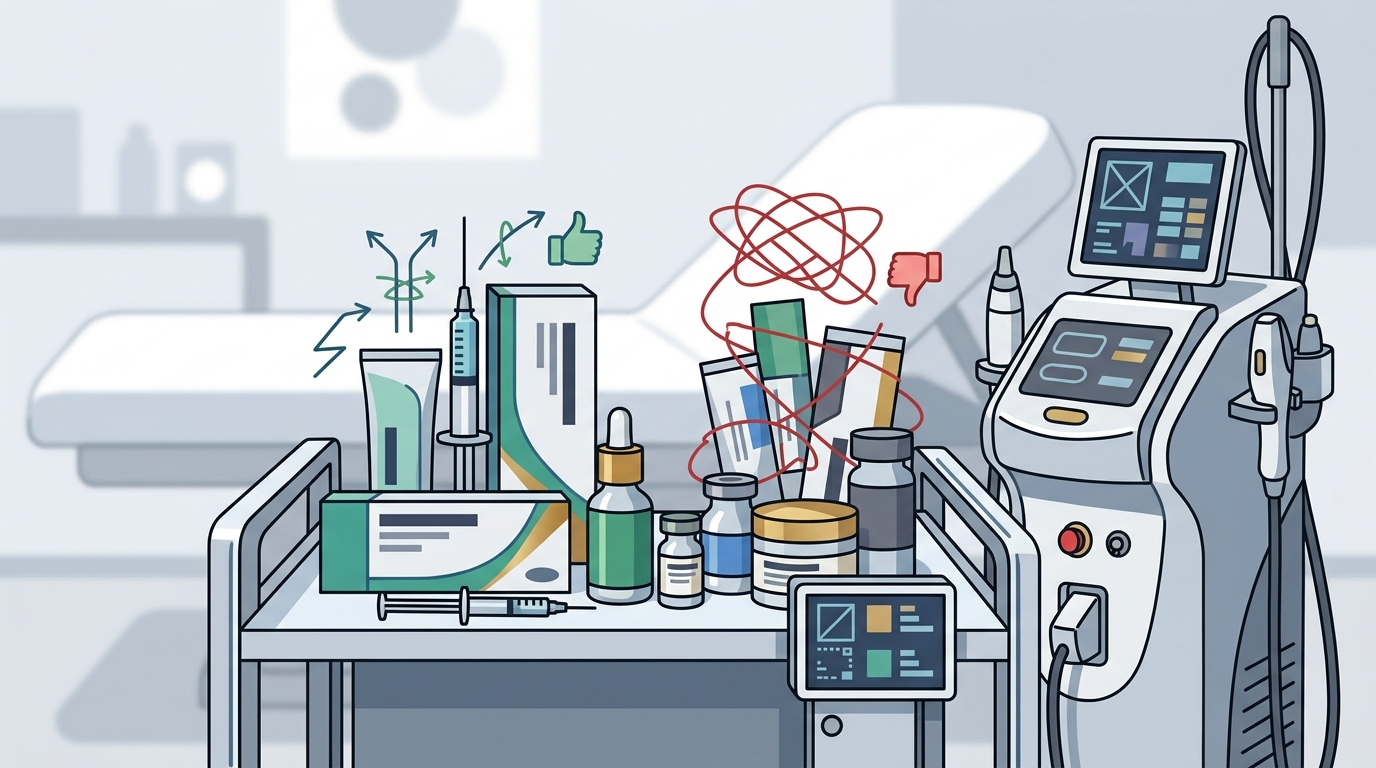
Post-procedure care is often overlooked but is essential for optimal results. Patients may neglect to follow aftercare instructions, leading to increased swelling, bruising, or infection. Strict adherence to guidelines, such as avoiding sun exposure, strenuous exercise, and certain medications, can significantly reduce the risk of complications. Providers should offer detailed written instructions and be available for follow-up questions.
Another common mistake is discontinuing maintenance treatments too early. Non-surgical results are not permanent, and regular touch-ups are necessary to sustain the desired appearance. Patients who wait too long between sessions may find that their results diminish rapidly, leading to frustration. A consistent maintenance schedule helps preserve collagen production and skin elasticity over time. Our team at Careaga Plastic Surgery emphasizes the importance of long-term planning and personalized care plans to ensure lasting satisfaction.
Patients should also be vigilant about monitoring their skin for any signs of adverse reactions. Redness, swelling, or pain that persists beyond the expected recovery period should be reported immediately. Early intervention can prevent minor issues from becoming serious complications. By staying informed and proactive, patients can maximize the benefits of their non-surgical treatments while minimizing risks.
Key Takeaways
- Provider Credentials Matter: Always choose a board-certified plastic surgeon or dermatologist with extensive experience in non-surgical procedures.
- Avoid Overfilling: Conservative use of dermal fillers prevents unnatural contours and maintains facial harmony.
- Safety First: Procedures should be performed in accredited facilities with emergency protocols in place.
- Realistic Expectations: Non-surgical treatments require multiple sessions and maintenance for optimal, long-lasting results.
- Post-Procedure Care: Adhering to aftercare instructions is crucial for minimizing complications and ensuring proper healing.
- Transparency: Reputable providers offer clear pricing and detailed treatment plans without hidden fees.
- Continuous Education: Stay informed about the latest technologies and safety guidelines from authoritative sources like the ASPS.
Frequently Asked Questions
What is the most common mistake in non-surgical facial rejuvenation?
The most common mistake is overfilling with dermal fillers, which can lead to an unnatural, swollen appearance. Providers should prioritize structural support and facial harmony over volume.
How do I choose a safe provider for injectables?
Look for board-certified plastic surgeons or dermatologists with extensive experience. Verify their credentials and ensure they operate in an accredited facility with emergency protocols.
Are energy-based devices safe for all skin types?
No. Certain skin types and conditions may be more prone to complications like hyperpigmentation or burns. A thorough consultation is necessary to determine suitability.
How long do non-surgical results last?
Results vary by treatment but typically last 6 to 18 months. Maintenance sessions are required to sustain the desired appearance over time.
What should I do if I experience complications after a procedure?
Contact your provider immediately. Early intervention is critical for managing complications such as vascular occlusion or infection.
Can I combine different non-surgical treatments?
Yes, combining treatments like neuromodulators and fillers can enhance results. However, this should be done by an experienced provider who understands the synergistic effects.
Is non-surgical facial rejuvenation painful?
Most patients experience minimal discomfort, often managed with topical anesthetics or nerve blocks. The procedure is generally well-tolerated with quick recovery times.
Book Your Consultation
Avoiding common mistakes in non-surgical facial rejuvenation requires expertise, precision, and a commitment to safety. At Careaga Plastic Surgery, we provide personalized care plans tailored to your unique anatomy and goals. Our double board-certified surgeons and fellowship-trained specialists are dedicated to delivering natural, long-lasting results in a safe, accredited environment. Schedule your free consultation today to discuss your options and take the first step toward confident, rejuvenated skin.